Explore Any Narratives
Discover and contribute to detailed historical accounts and cultural stories. Share your knowledge and engage with enthusiasts worldwide.
All your favorite content. One place.
Connect YouTube, Spotify, Steam, and 12+ platforms. Your playlists, videos, and games sync automatically into shareable boards.
Stop jumping between apps. Bring everything together.
Link YouTube, Spotify, Steam, Pinterest, TikTok, GitHub, and more. One click to connect.
Your playlists, game libraries, and favorites import automatically. Always up to date.
Create boards for any topic. Mix content from different platforms in one collection.
Public boards for everyone, private for just you, or password-protected for select people.
Browse public boards from other users. Find curated collections on topics you love.
Invite friends to edit boards together. Build collections as a team.
Create your first board in seconds. Add links, images, videos, and more. See how it works before you commit.
You already have an account?
Sign in!
You don't have account yet? Don't worry! You still can join us
Your personal space to curate, organize, and share knowledge with the world.
Discover and contribute to detailed historical accounts and cultural stories. Share your knowledge and engage with enthusiasts worldwide.
Connect with others who share your interests. Create and participate in themed boards about any topic you have in mind.
Contribute your knowledge and insights. Create engaging content and participate in meaningful discussions across multiple languages.
Already have an account? Sign in here
Discover our most recent community contributions and trending discussions
Faustina the Younger was a defining empress of the Antonine dynasty. As the wife of Emperor Marcus Aurelius, she was a central figure in Rome's Golden Age. Her legacy combines immense charitable work with enduring historical scandals.
Empress Faustina the Younger is a figure of fascinating contradictions. She was revered as "Mother of the Camp" and deified after her death. Yet, ancient gossip painted her as a figure of scandalous intrigue. Modern scholarship is refocusing on her significant philanthropic and political influence.
The life of Faustina the Younger unfolded during the high point of the Pax Romana. This era of relative peace and prosperity was governed by the "Five Good Emperors." Her father, Antoninus Pius, and her husband, Marcus Aurelius, were central to this period of stability.
She was born around 130 AD into the very heart of Roman power. As the sole surviving child of her parents, she embodied dynastic continuity. Her marriage was a key political arrangement to secure the imperial succession.
The union between Faustina and her cousin, Marcus Aurelius, was orchestrated by Emperor Hadrian. It solidified the familial bonds within the Antonine imperial house. They were formally married in 145 AD, when Faustina was approximately fifteen years old.
This marriage was not merely political. By all surviving accounts, it was a deep and genuine partnership. The emperor's own writings show profound respect and affection for his wife. This bond endured despite the persistent rumors that swirled around her.
Annia Galeria Faustina Minor was raised in the imperial palace. She was steeped in the duties and expectations of her station from a young age. Her education and upbringing prepared her for the role of Augusta.
Her father, Antoninus Pius, died on March 7, 161 AD. This event immediately elevated Marcus Aurelius to the principate, and Faustina to the position of empress. Marcus initially ruled jointly with Lucius Verus, to whom Faustina had once been betrothed.
Faustina the Younger's reign as empress lasted from 161 AD until her death around 175 AD. This period coincided with the end of the Roman Peace. The empire faced major wars on its eastern and northern frontiers, testing its stability.
The historical record solidly confirms Faustina the Younger as a major benefactor. Her charitable initiatives were extensive and left a permanent mark on Roman society. These acts of public welfare were key to her popular reputation and posthumous deification.
Her philanthropic focus was notably directed toward supporting women and children. This aligned with her cultivated public image as a maternal figure for the entire empire. The scale of her charity was formalized and institutionalized by the state.
Following her death, Marcus Aurelius honored Faustina by founding schools for orphaned girls. These institutions were known as the Puellae Faustinianae, or "Girls of Faustina." They provided support and education for daughters of impoverished Roman citizens.
The creation of the Puellae Faustinianae was a landmark in Roman state-sponsored welfare. It cemented her legacy as a patroness of the vulnerable.
This initiative was more than a memorial. It was a functional, state-funded social program carrying her name. It demonstrated how her charitable ethos was officially embraced and perpetuated by the imperial administration.
Faustina's philanthropy also manifested in public architecture across the empire. Temples, bath complexes, and even entire cities were dedicated in her name. These projects served both public utility and her everlasting fame.
One of the most significant honors bestowed upon Faustina the Younger was the title Mater Castrorum. This translates to "Mother of the Camp" or "Mother of the Army." It was officially conferred upon her in 174 AD during Marcus Aurelius's campaigns along the Danube frontier.
This title was not merely ceremonial. It reflected her active presence alongside the emperor and the troops. She traveled to the volatile northern frontiers, demonstrating solidarity with the legions. This earned her tremendous esteem from the military.
The title Mater Castrorum was a unique military honor for an empress. It integrated her into the army's symbolic family, bolstering morale and loyalty. Coins minted with this proclamation spread her image as the empire's protective mother to every province.
Imperial coinage provides crucial evidence of Faustina's public image. A vast array of coins were issued bearing her portrait and various honorifics. These circulated widely, acting as potent propaganda.
Common legends on these coins included Fecunditas (Fertility) and Pietas (Duty). After her death and deification, coins were minted with the title Diva Faustina. These numismatic artifacts remain a key primary source for historians today, confirming her official veneration.
The primary duty of an empress was to produce heirs, and in this, Faustina was remarkably prolific. Historical accounts indicate she bore between 12 and 14 children over the course of her marriage. Some sources specify 13 pregnancies.
However, the high infant mortality rate of the ancient world took a severe toll. Only six of these children survived to adulthood: five daughters and one son. Their names were Fadilla, Lucilla, Faustina, Cornificia, Vibia Aurelia Sabina, and the sole male heir, Commodus.
The survival of only six out of approximately fourteen children highlights the harsh realities of life, even for the imperial family, in the ancient world.
Her daughter, Lucilla, was politically significant. She was first married to co-emperor Lucius Verus and later to a high-ranking general. Faustina's only surviving son, Commodus, succeeded Marcus Aurelius. His disastrous reign would ultimately end the Antonine dynasty.
This relentless cycle of childbirth defined much of Faustina's adult life. Her fertility was publicly celebrated as essential to the empire's future. Yet, it also formed the backdrop for later scandalous rumors about the paternity of her children, particularly Commodus.
The historical portrait of Faustina the Younger is complicated by persistent ancient rumors. While officially honored, gossip from senatorial and historical sources painted a darker picture. These scandals, detailed in texts like the Historia Augusta, contrast sharply with her public image of piety and charity.
Modern historians treat these accounts with extreme skepticism. They are often seen as politically motivated slander from elite factions hostile to her influence. Nevertheless, these stories have shaped her legacy for centuries and cannot be ignored in a full account of her life.
Ancient sources are rife with claims of Faustina's numerous affairs. She was allegedly involved with senators, sailors, gladiators, and soldiers. The most sensational rumor suggested her son, Commodus, was not fathered by Marcus Aurelius but by a gladiator.
The Historia Augusta recounts a story where Marcus Aurelius, aware of an affair, executed a gladiator lover. He then forced Faustina to bathe in the man's blood to restore her passion—a tale widely dismissed by scholars as satirical fiction.
Such stories served to undermine the legitimacy of the imperial succession. They questioned the purity of the Antonine bloodline. The resilience of these tales, however, speaks to the potent mix of fascination and hostility her position inspired.
In 175 AD, the powerful Syrian governor Avidius Cassius rebelled against Marcus Aurelius. The revolt occurred while Marcus was campaigning on the Danube and false rumors of his death circulated. Cassius declared himself emperor, controlling significant Eastern territories.
Intriguingly, some ancient accounts suggest Faustina the Younger was implicated. It was claimed she communicated with Cassius, perhaps even encouraging his revolt to secure her son Commodus's succession should Marcus fall. After Cassius was assassinated by his own troops, letters allegedly linking him to Faustina were destroyed by Marcus.
The emperor publicly dismissed any suggestion of her treason. His handling of the incident demonstrates a concerted effort to protect her reputation. He chose to publicly emphasize her loyalty and dismiss the accusations as fabrications of the rebel.
Contemporary historians are moving beyond the salacious gossip to analyze Faustina's real power and influence. Feminist scholarship in particular re-evaluates her as an active political agent. She is studied alongside her mother, Faustina the Elder, as part of a "mother-daughter power team" that shaped Roman society.
This modern portrayal emphasizes her role as a partner in Marcus Aurelius's reign. Her travels to the frontier, her charitable foundations, and her official titles are seen as evidence of a recognized and formalized public role. The scandals are reinterpreted as backlash against a woman who wielded significant, unconventional influence.
The traditional narrative, fueled by hostile sources, framed Faustina through the lens of morality. Her story was one of virtue versus vice. The new academic trend focuses on her political agency and institutional impact.
This reassessment places her within the broader study of how Roman imperial women navigated and exercised power. It seeks to separate historical fact from the misogynistic tropes common in ancient historiography.
Faustina the Younger died in late 175 or early 176 AD in the Cappadocian town of Halala. The exact cause of death remains unclear, with ancient sources suggesting illness or even suicide linked to the Cassius scandal. She was approximately 45 years old.
Marcus Aurelius was reportedly devastated by her passing. His grief was both personal and publicly expressed through grand commemorative acts. He ensured her legacy was permanently enshrined in the fabric of the empire through deification and monumental projects.
In an unprecedented gesture, Marcus Aurelius renamed the town where she died. Halala was officially re-founded as Faustinopolis, "The City of Faustina." This act granted the settlement status and privileges, forever linking its identity to the empress.
The founding of a city in her name was among the highest honors possible. It placed her in a category with legendary founders and heroes. It also served as a permanent geographical memorial in the eastern provinces where she passed away.
Following Roman tradition for beloved imperial figures, the Senate officially deified Faustina. She was granted the title Diva Faustina, "the Divine Faustina." A temple was dedicated to her and the goddess Venus in the Roman Forum, establishing an official state cult.
These extensive posthumous honors underscore the high esteem in which she was officially held. They contradict the private gossip and affirm her sanctioned role as a protector and mother of the Roman state.
Our understanding of Faustina is heavily reliant on material evidence beyond textual histories. Archaeology and numismatics provide more objective data points about her life, status, and impact. These sources often corroborate her significant official role while remaining silent on the scandals.
Coins are one of the richest sources for studying Faustina the Younger. Thousands of bronze, silver, and gold coins bearing her portrait were minted across the empire. They provide a clear timeline of her titles and evolving public image.
The iconography on these coins is highly deliberate. Common reverse types include:
After her deification, coins with the legend DIVA FAVSTINA show her being carried to the heavens by a winged figure. These circulated widely, ensuring her divine status was recognized by all citizens.
Numerous statues and bustes of Faustina survive in museums worldwide, like the British Museum. These portraits follow a standardized, idealized imperial likeness. They often feature the elaborate hairstyles fashionable among high-status Roman women of her era.
Surviving inscriptions on monuments and bases confirm her titles and benefactions. They document her role in funding public buildings like bath complexes. These stone records are less prone to the bias of literary texts and offer concrete proof of her philanthropic actions.
The material record consistently presents Faustina as a dignified, benevolent, and divine empress. This stands in stark contrast to the literary tradition of scandal, highlighting the duality of her historical reception.
The ongoing study of these artifacts continues to refine our understanding of her life. New discoveries in epigraphy can still shed light on the extent of her travels, patronage, and influence within the provincial communities of the Roman Empire.
The contradictory accounts of Faustina the Younger necessitate a careful analysis of historical sources. Scholars must weigh the reliability of scandalous anecdotes against the evidence of official state records. This source criticism is central to forming a balanced modern understanding of her life.
The most damning stories originate from the Historia Augusta, a later and notoriously unreliable collection of imperial biographies. Its tales of affairs and intrigue are considered by many as political satire or misogynistic fiction. In contrast, coinage, inscriptions, and the writings of Marcus Aurelius himself offer a more formal and consistent portrait.
The primary challenge is the lack of contemporary, unbiased narrative histories. Later Roman historians often wrote with moralizing or political agendas. Senators like Cassius Dio, while more reliable, still reflected the aristocratic perspective, which could be hostile to influential imperial women.
The official narrative, preserved in stone and metal, overwhelmingly supports a figure of piety and charity. This stark divide forces historians to prioritize archaeological evidence over salacious literary anecdotes.
The six surviving children of Faustina the Younger carried her legacy into the next generation. Their marriages and fates were deeply entwined with the political destiny of Rome. Through them, her lineage influenced the empire for decades, culminating in one of its most infamous rulers.
Faustina's daughters were used to cement political alliances. The most prominent was Annia Aurelia Galeria Lucilla. She was first married to co-emperor Lucius Verus and, after his death, to the powerful general Tiberius Claudius Pompeianus.
Lucilla eventually became involved in a conspiracy to assassinate her brother, Commodus, in 182 AD. The plot failed, and Commodus exiled and later executed her. The other daughters—Fadilla, Faustina, Cornificia, and Sabina—lived relatively less politically tumultuous lives but remained key figures in the extended imperial family.
The sole surviving son, Lucius Aurelius Commodus, succeeded Marcus Aurelius in 180 AD. His reign marked a catastrophic departure from his father's philosophical rule. He is remembered for his megalomania, appeasement of enemies, and portrayal as a gladiator.
Commodus's disastrous 12-year reign (180-192 AD) effectively ended the era of the "Five Good Emperors" and plunged the empire into a period of crisis and civil war known as the Year of the Five Emperors.
The ancient rumors about Faustina's infidelity were often retroactively applied to explain Commodus's perceived flaws. Critics suggested his poor character proved he was not truly Marcus Aurelius's son. Modern historians reject this, attributing his failings to personality, poor education, and the corrupting nature of absolute power.
The story of Faustina the Younger continues to captivate audiences centuries later. She exists in a space between documented historical actor and legendary figure. Her life provides a rich case study for examining the representation of powerful women in history.
While not as ubiquitous as figures like Cleopatra, Faustina appears in modern novels, documentaries, and online articles. She is often portrayed as a complex figure navigating the treacherous world of Roman politics. Recent popular articles have even likened her life of rumored scandals and imperial drama to a form of ancient reality television.
She is a frequent subject in historical fiction set in the Roman Empire. Authors are drawn to the dramatic tension between her cherished public role and the whispers of a secret, tumultuous private life. These portrayals, while fictionalized, keep her memory alive for the general public.
In academia, Faustina the Younger remains a critical figure for several ongoing research fields. Scholars of Roman history, gender studies, art history, and numismatics all engage with her legacy.
New archaeological discoveries, particularly inscriptions, continue to add small pieces to the puzzle of her life. Each new artifact has the potential to clarify her role in a specific city or province.
The life of Faustina the Younger presents two compelling, parallel legacies. The first is the official, state-sanctioned legacy of the benevolent empress and divine mother. The second is the shadowy, scandalous legacy preserved in gossip and hostile history. A complete understanding requires acknowledging both narratives and analyzing their origins.
Several key points define her historical importance and modern relevance:
Faustina the Younger lived at the apex of Roman power. She fulfilled the traditional roles of empress as fertile mother and loyal wife with exceptional visibility and recognition. Yet, she also transcended them through travel, patronage, and the receipt of unprecedented honors like Mater Castrorum.
The whispers of scandal, whether true or fabricated, are inseparable from her story. They reveal the tensions faced by a woman operating in the highest echelons of a patriarchal society. They demonstrate how her power could be attacked through allegations against her personal morality.
Ultimately, the enduring legacy of Faustina the Younger is not one of simple virtue or vice. It is the legacy of a significant historical actor whose life forces us to question our sources, examine the construction of reputation, and recognize the complex reality of women in power in the ancient world.
She remains an enigmatic and compelling symbol of Rome's Golden Age—a devoted philanthropist, a traveling empress, a dynastic linchpin, and the subject of rumors that have echoed for nearly two millennia. Her story is a powerful reminder that history is rarely a single story, but a tapestry woven from official records, material remains, and the often-murky whispers of the past.

The year 2025 has seen the spectacular triumph of Hades II, solidifying its position as a roguelike masterpiece and a top contender for Game of the Year. Following its massive September 2025 launch, this sequel from Supergiant Games has captivated fans and critics alike, building an undeniable legacy in a single year. This article explores why Hades 2 is being hailed as the definitive gaming experience of 2025.
Supergiant Games masterfully orchestrated the journey for Hades II, transforming player feedback into a polished gem. The title's evolution showcases the power of a dedicated development cycle and direct community involvement.
Hades II entered Early Access in May 2024, inviting players into its underworld early. This period provided invaluable data that shaped the final product. The official v1.0 full release landed on September 25, 2025, marking a pinnacle moment for the studio.
Launching simultaneously on PC and Nintendo Switch platforms, the release was a free upgrade for Early Access adopters. This strategy rewarded the community and ensured massive day-one engagement. The development spanned over 4.5 years, resulting in Supergiant's most ambitious project ever.
Supergiant Games described Hades II as their "biggest game" to date, with expanded teams dedicated to animation, visual effects, and its critically acclaimed soundtrack.
The final launch was preceded by a stunning launch trailer released on September 12, 2025. It emphasized the game's core theme: "Battle beyond the Underworld." The immediate critical and commercial reception was overwhelming, setting the stage for its year-end dominance.
Key launch details include:
In a year filled with strong releases, Hades II distinguished itself through unparalleled craftsmanship. It successfully built upon a legendary foundation while innovating in meaningful ways that resonated with both new players and series veterans.
The original Hades claimed the coveted Game of the Year title at The Game Awards in 2020. This set a monumental benchmark for the sequel. The pressure was immense, but Supergiant Games delivered a sequel that not only met but often exceeded the high expectations.
Hades II carries forward the studio's signature strengths: exquisite hand-drawn art, a dynamic and reactive soundtrack, and deeply satisfying isometric combat. It transforms these elements into a larger, more intricate experience, proving that lightning can indeed strike twice.
The game's excellence is not accidental. It is the result of meticulous design in several key areas that define a modern classic. These elements combine to create an irresistibly addictive and emotionally engaging loop.
Narrative Depth: The story of princess Melinoë battling the Titan of Time, Chronos, provides a fresh mythological perspective. The game's character writing and branching narratives set a new bar for storytelling in the roguelike genre.
Combat Fluidity: The moment-to-moment gameplay is a masterclass in responsive, strategic action. Each weapon and boon system offers vast build diversity, encouraging endless experimentation across runs.
Aesthetic Polish: From its fluid 2D animation to its adaptive musical score, every sensory detail is polished to a mirror sheen. This level of audiovisual cohesion is rare and significantly enhances player immersion.
Hades II distinguishes itself as a 2025 standout through profound mechanical depth. The game expands upon the original's formula with new systems that reward strategy and replayability. These innovations are key reasons for its masterpiece status in the roguelike action RPG genre.
The sequel introduces more layered progression mechanics, enhancing the core loop. Players guide Melinoë with an expanded arsenal of magick-based abilities and weapons. Each run feels uniquely customizable thanks to a wider array of divine boons and upgrades.
The Arcana Card system provides meta-progression outside of individual runs. This allows for strategic planning and different playstyle specializations. Combined with redesigned resource gathering during escape attempts, it creates a satisfying long-term progression curve.
Storytelling is woven even deeper into the roguelike structure. Interactions in the Crossroads home base are more dynamic and consequential. The game features a larger cast of fully-voiced characters from Greek mythology, each with evolving relationships.
Branching narrative paths respond to player choices and run history. This ensures that even failed attempts advance the plot and deepen world-building. The result is a narrative-driven roguelike experience that feels perpetually engaging and fresh.
The reception to Hades II's full release has been overwhelmingly positive. Critics and players alike have praised its execution, citing it as a rare sequel that improves in every dimension. This consensus has fueled its claim as 2025's top game.
Upon its v1.0 launch, Hades II achieved exceptional scores across major review platforms. It consistently earned scores above 90/100, with many perfect scores. Reviewers highlighted its polished gameplay, artistic vision, and emotional depth.
Industry analysts note that Hades II achieved a Metacritic Must-Play designation within weeks of launch, a rarity for any title.
Common critical accolades include:
Commercially, Hades II shattered expectations. It topped digital store charts on Steam and the Nintendo eShop for weeks. The successful Nintendo Switch 2 retail edition launch on November 20, 2025, further solidified its market presence.
The physical release strategy was shrewd. Priced at $49.99, the box included a character compendium and soundtrack download. This catered to collectors and demonstrated strong cross-platform appeal. The game's momentum carried powerfully into the 2025 holiday season.
The technical execution behind Hades II is a masterclass in indie-AAA development. Supergiant Games leveraged their experience to create a visually stunning and technically flawless experience. This prowess is a cornerstone of the game's 2025 dominance.
The game's art direction builds on the studio's established style with greater ambition. Environments are more varied, spanning beyond the Underworld with distinct visual themes. Character animation is fluid and packed with personality, bringing every god and creature to life.
The audio design is equally impactful. The dynamic music adapts seamlessly to combat intensity and story moments. Voice acting features a stellar returning and new cast, delivering witty and poignant performances that enhance the narrative.
Hades II launched with remarkable stability across all platforms. The PC version offered extensive graphical options, while the Switch versions maintained smooth performance. The game's accessibility features, like customizable controls and difficulty modifiers, welcomed a broad audience.
Key technical achievements include:
This technical polish ensures the gameplay experience is never hindered. It allows players to fully immerse themselves in the game's challenging and rewarding cycles without friction.
Following its landmark launch, Hades II entered the year-end awards season as a formidable frontrunner. The game's combination of critical praise, player adoration, and commercial success creates a compelling case for top honors. Industry trends and its own legacy heavily favor its recognition.
Major awards events like The Game Awards base decisions on innovation, impact, and execution. Hades II excels in all these categories, mirroring the path of its predecessor. It represents both a creative and commercial high point for the roguelike genre in 2025.
The game has already garnered numerous "Best of 2025 (So Far)" accolades from gaming publications. This early momentum is a strong indicator of its staying power as final deliberations occur. Its status is not just as a great sequel, but as a defining title of the year.
Given the original Hades' 2020 Game of the Year win, the sequel's expanded scope and polish make it a heavyweight contender to repeat this historic achievement.
The influence of Hades II will likely extend far beyond 2025. It sets a new benchmark for narrative integration in procedurally generated games. Other developers will study its systems, particularly its player-driven progression and character writing.
The game proves that Early Access development, when executed with a clear vision, can yield an exceptionally polished product. It reinforces the viability of premium indie-AAA titles in a market often dominated by live-service models. Hades II stands as a testament to focused, artistic game development.
When evaluating the total package—art, sound, gameplay, story, and technical merit—Hades II stands peerless. It is a masterful synthesis of Supergiant Games' strengths, refined through player collaboration and years of dedication. This culmination is why it rightfully earns the crown.
The case for Hades II as 2025's best game rests on several undeniable pillars. Each pillar represents an area where the game not only meets but exceeds the high standards set by modern classics.
2025 featured other excellent titles across genres, from expansive open-world adventures to groundbreaking indie gems. However, Hades II possesses a unique advantage: its near-universal appeal across different types of players. It offers deep mechanical satisfaction for hardcore roguelike fans while remaining accessible and story-rich for newcomers.
Its status as a sequel to an award-winning phenomenon created immense pressure, which it transformed into creative fuel. The game did not play it safe; it expanded, refined, and perfected. In a year of strong competition, this confident evolution gives it a decisive edge in Game of the Year conversations.
Hades II is more than just the best game of 2025; it is an instant classic that will be celebrated for years to come. It captures the magic of its predecessor while boldly forging its own identity. Supergiant Games has delivered a roguelike masterpiece that stands as a high-water mark for the entire industry.
The journey from Early Access to its triumphant full release showcases a development philosophy centered on quality and player trust. The result is a game that feels complete, considered, and crafted with palpable passion. Its impending recognition in year-end awards is not merely likely; it is a foregone conclusion based on its monumental achievements.
From its compelling narrative and unforgettable characters to its razor-sharp combat and stunning presentation, Hades II is a complete package. It fulfills the daunting promise of its legacy and sets a new standard for what a sequel can achieve. For defining excellence in 2025 and offering an experience of unparalleled depth and heart, Hades II is, without doubt, the year's supreme gaming achievement.
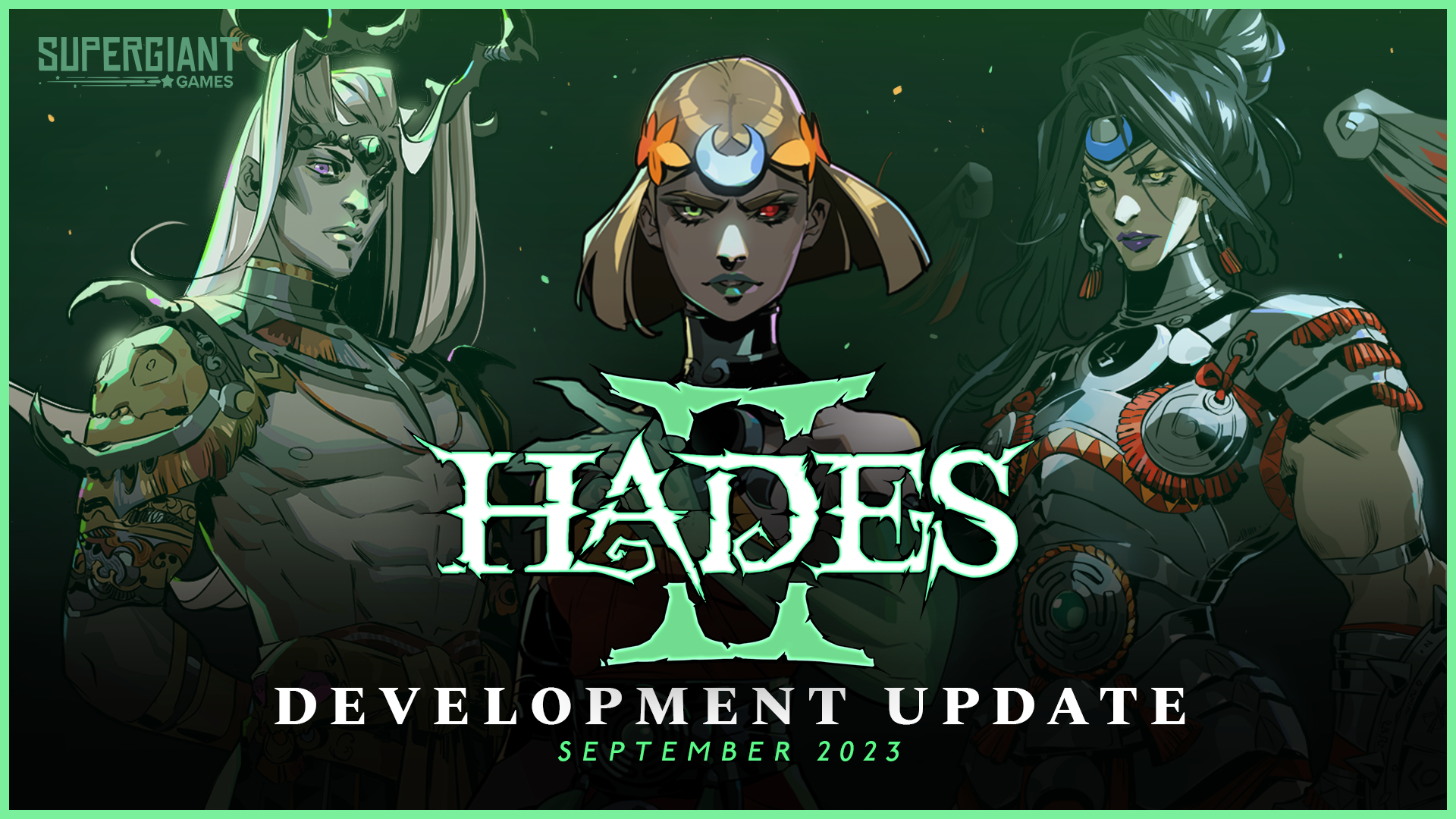

ARK: Survival Evolved remains a titan of the survival genre, captivating players with its unique blend of prehistoric dangers, deep crafting, and dinosaur taming. This comprehensive guide will equip you with the knowledge to thrive in its unforgiving world. We will explore the core mechanics, key strategies, and the game's enduring legacy in the modern gaming landscape.
Metacritic consensus praises ARK for offering "comprehensive survival with dinosaur taming and exploration," despite noting its late-game grind.
Your journey in ARK begins with nothing. You awaken naked and starving on a mysterious island's shore. The immediate core gameplay loop is a fight for existence. You must harvest resources, craft basic tools, and secure food and shelter. This foundation supports the game's grander pursuits of exploration, conquest, and ultimate survival.
The open-world Ark island is vast, featuring a total area of 48 km². This includes 36 km² of land and 12 km² of ocean to explore. The environment operates on a dynamic day-night cycle, presenting different challenges and opportunities. Players can switch between third- or first-person views to suit their playstyle, whether building, fighting, or exploring.
Survival hinges on several interconnected pillars. Resource management is constant, from gathering wood and stone to hunting for meat. Base-building is essential for protection and progression, with structures that can be built on land or even on the backs of certain massive creatures. Finally, the game offers both PvP and PvE experiences, allowing you to battle other players or cooperate against the island's native threats.
Your character grows stronger by earning Experience Points (XP). XP is gained through almost every action, from harvesting resources and crafting items to exploring new areas and defeating creatures. With each level gained, you earn Engram Points to unlock new craftable items and stat points to improve your character's capabilities.
There are 9 upgradable player stats that define your survivor's abilities. Strategic allocation is key to your survival strategy. Understanding each one is crucial:
The most iconic feature of ARK: Survival Evolved is its dinosaur taming system. The island is home to over 100 unique creatures, many of which can be tamed to become loyal companions, powerful mounts, or essential workforce allies. Taming methods vary from passive feeding to violent knockout and sedation.
Tamed creatures serve countless purposes. They can be formidable fighters, incredibly fast transports, or efficient harvesters of specific resources. From the small but speedy Raptor to the colossal, base-carrying Brontosaurus, your choice of tame defines your playstyle. Later expansions introduced even more exotic creatures, such as the psionic Shadowmane, the mind-controlling Noglin, and the resource-scanning Stryder.
Beyond taming, creature breeding allows you to produce offspring with inherited stats and mutations. This deep system enables players to breed generations of creatures with superior strength, health, or speed. Breeding is essential for tackling the game's most challenging content and competing in high-level PvP.
Despite its original release in 2017, ARK: Survival Evolved maintains a vibrant and active community. Its longevity is sustained by a passionate player base dedicated to mods, custom private servers, and recurring in-game events. While newer survival titles have emerged, ARK's unique premise ensures it holds a special place.
A significant recent development is the release of ARK: Survival Ascended, a ground-up Unreal Engine 5 remake. While Ascended receives the majority of official updates and new DLCs, the original Evolved version is often praised for its stability and mature modding ecosystem. Many creators and veterans see Evolved as the essential "training ground" to learn the game's deep mechanics before transitioning to the enhanced visuals of Ascended.
This guide will continue to delve deeper into advanced base-building strategies, resource management tips, and how to conquer the Ark's most formidable challenges. Your path to becoming a master survivor starts here.
A well-designed base is your primary defense against the elements, hostile creatures, and other players. Moving beyond a simple thatch hut is essential for mid to late-game progression. Your base-building strategy must account for location, defensive layout, and functional organization for crafting and storage.
Location is the most critical decision in ARK: Survival Evolved. The ideal spot balances security, resource access, and strategic value. Consider proximity to essential materials like metal nodes and water, as well as natural chokepoints for defense. Be aware of local predator spawns to avoid constant attacks during your early construction phase.
In PvP or higher-difficulty PvE, passive walls are not enough. A layered defensive architecture is required. This involves creating multiple walls (dinosaur gates are excellent for large perimeter walls), strategic placement of turrets, and designing a maze-like entrance to slow down invaders. Properly managing your turrets' targeting and ammunition is a late-game skill in itself.
An often overlooked aspect is creature-based defense. Taming and breeding aggressive dinosaurs like Rexes or Therizinosaurus and setting them to aggressive or turret mode within your compound creates a living, breathing security system. This adds a significant deterrent to any would-be raiders.
Efficient resource management separates the struggling survivor from the thriving chieftain. Understanding resource nodes, optimal harvesting tools, and dedicated farming creatures will drastically reduce the time you spend grinding and increase your ability to craft advanced gear and structures.
The game world offers a massive 48 km² area to explore, containing every resource you need to progress from primitive tools to advanced technology.
While your own tools are a starting point, the true power of harvesting comes from specialized creatures. Each high-level resource is best gathered by a specific tame. For example, an Ankylosaurus is unparalleled for harvesting metal and flint, while a Castoroides (Beaver) is the best for wood and thatch. Creating a team of dedicated harvesting dinosaurs is a game-changing milestone.
One of the most important yet complex stats is Crafting Skill. Unlike other stats, its primary benefit is not immediately obvious. Investing points here does two crucial things. First, it reduces the time it takes to craft items. More importantly, when crafting certain blueprints (especially armor and weapons), a higher Crafting Skill increases the chance of creating an item with bonus craftable quality.
This means a weapon crafted with high Crafting Skill can have significantly higher damage or durability than its base recipe. Some survivors specialize in this stat, creating characters known as "crafters" who are solely responsible for producing the tribe's best gear. Consuming Mindwipe Tonic allows you to re-spec your stats, so you can temporarily max Crafting Skill before a major crafting session.
Beyond daily survival, ARK presents monumental challenges in the form of powerful Alpha creatures, treacherous caves, and epic boss fights. Preparing for and overcoming these trials is the pinnacle of PvE gameplay and offers substantial rewards, including rare resources and essential artifacts needed to progress the story.
Alpha predators are larger, stronger, glow-in-the-dark versions of common creatures like Raptors, Carnos, and even the mighty T-Rex. They pose a severe threat but yield superior experience points and rare loot like Alpha-specific trophies. Engaging them requires powerful tames, high-end weaponry, and smart tactics.
Cave exploration is equally dangerous but necessary. Caves contain valuable resources like crystal and obsidian, as well as the artifacts required to summon bosses. Each cave is filled with hostile creatures, environmental hazards like lava or freezing water, and often has narrow passages unsuitable for larger dinosaurs. Preparation with grappling hooks, crossbows, and nimble mounts like a Sabertooth is key.
The ultimate goal of the ARK Survival Evolved story is to prove your worth and "ascend" from the simulation. This is achieved by defeating the island's overseers in monumental boss fights. To summon a boss, you must gather specific artifacts from caves and rare trophies from powerful creatures like the Broodmother, Megapithecus, or Dragon.
Boss fights themselves are intense, multi-stage battles that require an army of heavily bred and imprinted dinosaurs, typically a squadron of high-level Rexes or the mighty Therizinosaurus. Victory awards you with Tekgrams—blueprints for advanced Tek Tier technology—and, ultimately, the ability to ascend, unlocking deeper lore and new cosmetic features for your survivor.
The multiplayer experience defines ARK for many players. Whether you choose cooperative PvE or the cutthroat world of Player versus Player, understanding the social and strategic dynamics is crucial. Your first major decision is selecting the right type of server for your desired experience.
ARK offers three primary ways to play, each with distinct advantages and challenges. Official Servers are run by Studio Wildcard and have standard rates and rules, but can be competitive and unforgiving. Unofficial Servers are run by players and communities, often featuring mods, boosted rates, and custom rules. Single Player allows you to control all settings and pause time, ideal for learning and building at your own pace.
In multiplayer, strength lies in numbers. Forming or joining a tribe is almost essential. Tribes share ownership of tames, structures, and resources, enabling complex, large-scale projects. Effective tribes assign roles like builder, breeder, hunter, or crafter to their members.
Proper tribe management settings are vital for security and function. You can set precise permissions for who can build, open doors, ride tames, or access storage. A well-managed tribe is a formidable force, while a poorly managed one is vulnerable to internal theft or griefing. Trust and clear communication are your most valuable non-craftable resources in the ARK multiplayer landscape.
ARK: Survival Evolved grew far beyond its initial island map through a series of expansive and innovative downloadable content packs. Each DLC introduces new biomes, creatures, and core gameplay mechanics, dramatically expanding the survival experience. From a radioactive underground world to a dying Earth and futuristic colony ships, these maps offer hundreds of hours of additional content.
Expansions like Aberration introduced over 6 new tameable creatures, including the psionically powerful Shadowmane and the parasitic Noglin, adding unprecedented layers of strategy.
The legacy of ARK is built on its diverse worlds. Each expansion forced survivors to adapt to entirely new rules and environmental challenges.
The community's vitality is a cornerstone of ARK's longevity. Beyond official DLC, maps created by modders like Ragnarok, Valguero, and the Lost Island have become community favorites, often offering the best of multiple official worlds in one massive, free map. The modding ecosystem remains one of the most powerful reasons to play the original Evolved version, with thousands of mods adding everything from quality-of-life improvements to entirely new creatures, items, and gameplay overhauls.
Released in 2017 amid a survival game boom, ARK Survival Evolved carved a unique niche by seamlessly blending deep survival mechanics with dinosaur taming and breeding. While the genre has evolved with titles like Valheim and Sons of the Forest, ARK's scale, creature variety, and sheer depth of systems keep it relevant. It pioneered the concept of using tamed beasts not just as mounts, but as integral parts of base defense, logistics, and warfare.
A critical trend as of 2025 is the relationship between the original game and its remake. ARK: Survival Ascended is the Unreal Engine 5 remake, featuring vastly improved graphics, quality-of-life updates, and integrated DLCs. However, the original Evolved version is often recommended as the "foundational experience" for new players due to its stability, lower system requirements, and mature mod library.
While official development focus has shifted to Ascended for new content like the Arklos Colony map, Evolved remains a fully-featured, complete package. Many creators suggest starting with Evolved to learn the complex mechanics before considering a transition to the visually enhanced but sometimes bug-prone Ascended platform.
No guide is complete without acknowledging the game's flaws. Common criticisms include a notorious late-game grind, optimization issues, and in the past, server instability. The grind for high-end resources and breeding perfect creatures can be immense, though this is often mitigated on unofficial servers with adjusted rates.
Past controversies included debates over pay-to-win elements from exclusive DLC creatures and the state of game balance. Understanding these aspects helps set realistic expectations. The core loop of early and mid-game survival is widely praised for its thrill and creativity, even as players debate the end-game's demands.
Starting your journey today can be daunting. These essential tips will help you avoid common pitfalls and set you on a path to success, whether you play solo, on a private server, or dive into the official server fray.
The initial hours are the most dangerous. Focus on immediate survival and laying a foundation for growth.
Once you've stabilized, these strategies will accelerate your progress and power.
As of 2025, the answer is a resounding yes for the right player. ARK: Survival Evolved offers an experience that no other game has fully replicated. Its unique combination of prehistoric wonder, deep survival systems, and unparalleled creature interaction creates stories and memories that are entirely your own. The game's scope, from humble beginnings to commanding armies of dinosaurs and deploying Tek weaponry, remains breathtaking.
The key to enjoyment is managing expectations and choosing your path. Embrace the jank and the grind as part of its charm, or find an unofficial community server that tailors the experience to your liking. The game's enduring legacy is secured by its passionate community and the foundational, genre-defining gameplay it established.
Whether you are drawn to the thrill of taming your first T-Rex, the satisfaction of constructing an impenetrable fortress, or the camaraderie of a well-run tribe, ARK provides a canvas for epic adventure. It stands as a testament to the power of ambitious game design, a comprehensive survival and exploration saga that continues to challenge and reward survivors years after its initial release. Your story on the Ark awaits.

In a digital landscape overflowing with predictable content, Jack Stauber emerges as a true original. This American musician and animator has sculpted a unique niche, blending lo-fi pop with surreal VHS aesthetics. His work is an auditory and visual experience that captivates millions. As a visionary, Stauber redefines what modern artistry can be through his distinctive blend of sound and sight.
The artist's influence is undeniable, with viral hits amassing hundreds of millions of streams. Yet, he remains an enigmatic figure, purposefully private in an era of oversharing. This intentional mystique only deepens the allure of his creative universe. Exploring Stauber's journey reveals the blueprint of a contemporary music visionary who operates entirely on his own terms.
Jack Stauber was born in McKean, Pennsylvania, on April 6, 1996. His early creative impulses were nurtured in a college environment blending art and commerce. He graduated with a major in marketing and a minor in studio arts. This unique combination would later define his DIY approach to music production and self-promotion.
His public musical journey began remarkably early. Stauber self-released his debut album, Finite Form, at just 16 years old. Before his solo career, he honed his skills in bands like Joose and Zaki. These early collaborative experiences laid the groundwork for his eclectic, genre-defying sound. They provided a creative laboratory for his developing artistic voice.
Stauber's operation is fiercely independent. He releases music through his own label, Plopscotch Records. This autonomy allows for complete creative control over every aspect of his work. From songwriting to animation, he maintains a hands-on process. This DIY ethic is central to his authentic and unpolished artistic appeal.
His educational background is crucial to understanding his success. The marketing knowledge informs his intuitive grasp of online virality and brand building. Meanwhile, the studio arts training fuels his distinctive visual style. This fusion of skills enables him to create a cohesive, self-sustaining artistic world.
The core of Jack Stauber's visionary status is his inseparable fusion of music and animation. His work is instantly recognizable by its hypnagogic pop style and retro VHS aesthetics. He often manipulates footage physically using VCRs to achieve a warped, nostalgic look. This tactile method creates a deeply authentic sense of analog decay.
Thematically, his work explores complex human experiences. Songs and shorts tackle social anxiety, depression, and the search for purpose. He approaches these heavy topics with a quirky, often surreal levity. This balance makes his art profoundly relatable yet wonderfully strange. The classification of "Weirdcore" fits his experimental sampling and song structures perfectly.
Stauber's music resists easy categorization. It is a genre-blending mix of indie pop, folk, synth-pop, and lo-fi. Tracks can shift from melodic funk-rock to eerie, fragmented folk within a single album. This restless creativity is a hallmark of his discography. His sound evokes a half-remembered memory from a 1980s children's television program.
His key tracks "Buttercup" and "Oh Klahoma" from the 2017 album *Pop Food* had a combined 354 million streams on Spotify by May 2021, driven largely by viral popularity on TikTok.
The lo-fi quality is not a limitation but a deliberate aesthetic choice. It complements the VHS-style visuals, creating a cohesive sensory experience. Crackling vocals, distorted synths, and abrupt shifts feel intentional. They build a world that is both comforting and unsettling, familiar yet alien.
Stauber's studio albums map a clear path of artistic growth and exploration. Each release represents a distinct evolution in his musical style, showcasing his refusal to be pinned down. From synth-driven beginnings to complex audio collages, his journey is one of constant reinvention.
Beyond traditional albums, Stauber launched the Jack Stauber's Micropop alias. This project is dedicated to short-form tracks designed for social media. These snippets, often under two minutes, became a fertile ground for viral trends. This adaptability shows his understanding of modern content consumption.
A significant chapter in Stauber's career is his partnership with Adult Swim. This collaboration brought his surreal visions to a wider, late-night audience. It resulted in critically acclaimed animated shorts that are narrative-driven and visually stunning.
The most notable project is Jack Stauber's OPAL, a 2020 psychological horror short film and soundtrack. This work demonstrated a maturation of his storytelling. It blended his signature style with a darker, more cohesive narrative. Other shorts like SHOP: A Pop Opera and Wishing Apple further cemented this creative partnership.
This phase earned him formal recognition, including a Shorty Award for Best in Weird in 2020. It proved that his avant-garde approach could achieve mainstream adjacent success and critical acclaim. The collaborations provided a platform for his most polished and ambitious visual work to date.
The rise of Jack Stauber from niche artist to viral phenomenon is a case study in digital-age success. It was not driven by traditional marketing but by organic sharing and platform algorithms. His music possesses an inherent, quirky memorability that resonates deeply with online communities. This has cemented his status as a culturally significant figure in contemporary internet music.
Tracks like "Buttercup" and "Oh Klahoma" became ubiquitous anthems on TikTok and YouTube. Their catchy, off-kilter melodies and cryptic lyrics proved perfect for short-form video. This virality translated into staggering streaming numbers, demonstrating a direct line from online trend to commercial impact. His work provides a shared cultural language for a generation.
Stauber's digital footprint is formidable. His primary YouTube channel boasts over 2.62 million subscribers. Each animated video, featuring characters like the tragic Hamantha, garners millions of views. This platform serves as the central hub for his audiovisual artistry, where music and animation are inseparable.
On platforms like Last.fm, Stauber is grouped with similar indie artists like Roar (1.42M listeners), Cavetown (1.52M listeners), and Dayglow (1.34M listeners), highlighting his placement within a specific, influential sonic niche.
His presence extends to dedicated fan wikis and Patreon exclusives for devoted followers. This multi-platform strategy allows him to cater to both broad audiences and superfans. By maintaining output through Micropop shorts and exclusive content, he stays relevant between major releases. This approach fosters a strong, self-sustaining community.
In an era of relentless personal branding, Jack Stauber's notable privacy is a defining trait. He famously avoids interviews and keeps his personal life largely off-limits. This intentional mystique contrasts sharply with typical social media celebrity. It forces the focus entirely onto his art, not his persona.
This strategic silence amplifies the intrigue surrounding his work. Fans analyze his lyrics and animations for clues, building entire mythologies from his creative output. The lack of a public persona allows the art itself to remain the sole focal point. This privacy enhances his visionary aura, making him a modern-day artistic hermit.
The absence of direct explanation from the artist has a powerful effect. It empowers fan communities to dissect and interpret every symbol and sound. Online forums and wikis are filled with theories about his characters and narratives. This collaborative meaning-making process deepens audience engagement.
This dynamic turns passive consumption into active participation. Stauber’s art becomes a shared playground for collective imagination. The community itself becomes a key part of the ongoing artistic project. This is a hallmark of truly impactful, visionary work in the internet age.
Beneath the surreal humor and catchy tunes lies a profound exploration of human anxiety and existential dread. Stauber’s work consistently grapples with themes of social isolation, mortality, and the search for meaning. He packages these heavy concepts in deceptively bright, cartoonish wrapping. This contrast creates a uniquely poignant and resonant emotional experience.
Songs often narrate stories of failure, awkwardness, and loss with a strange tenderness. The tragic tale of "Hamantha" or the anxious plea of "Oh Klahoma" are prime examples. He finds a bizarre beauty in life's imperfections and pains. This philosophical depth elevates his music beyond mere novelty or meme material.
A central pillar of Stauber's aesthetic is a haunting, warped nostalgia. The VHS filter is not just a visual gimmick; it’s a thematic statement. It represents memory, degradation, and the passage of time. This echoes the lyrical content, which often yearns for a simpler past or mourns lost innocence.
The lo-fi sound quality reinforces this theme of decay. Hiss, tape wobble, and distorted vocals simulate a medium breaking down. This immerses the listener in a specific emotional space—one of fondness tinged with melancholy. It’s a sophisticated commentary on how we remember and how media shapes memory.
Examining Stauber’s catalog reveals a clear, deliberate evolution from straightforward indie pop to complex audio collage. His early work on Finite Form and Viator is more traditionally song-oriented. With Pop Food and HiLo, he began deconstructing pop forms. He introduced abrupt genre shifts, fragmented lyrics, and experimental sampling.
His technique involves heavy use of voice manipulation, tape loops, and found sounds. Everyday noises become rhythmic elements; childish melodies twist into something unsettling. This collage approach to music production mirrors his visual style, where hand-drawn animation mixes with live-action and analog glitches. The process itself is integral to the message.
The Jack Stauber's Micropop alias represents a radical adaptation to modern media. These are not simply shortened songs; they are complete artistic statements condensed into seconds. This format embraces the short attention span economy without sacrificing artistic integrity.
This project demonstrates Stauber’s keen understanding of contemporary content consumption. He meets the audience where they are, using the constraints of the format as a creative springboard. It is a visionary approach to maintaining relevance and artistic vitality in a fast-paced digital world.
The cultural impact of Jack Stauber extends far beyond his own music. He has significantly influenced a wave of lo-fi and indie creators across multiple platforms. His signature blend of nostalgic aesthetics and existential themes has become a recognizable template. This influence is visible in music, animation, and the broader visual language of internet weirdcore.
Stauber helped legitimize a specific form of DIY digital artistry that prioritizes cohesive atmosphere over technical polish. Animators and musicians now emulate his VHS-glitch style and cryptic storytelling. He demonstrated that a singular, uncompromising vision could achieve massive online success. This has empowered a generation of creators to embrace their unique, quirky sensibilities.
Stauber's work is deeply embedded in the fabric of online meme culture. His short, catchy musical phrases and bizarre animated loops are perfect for repurposing. They provide an auditory and visual shorthand for expressing complex, often ironic emotions online. This has turned his art into a shared vocabulary for digital natives.
His privacy and lack of major releases post-2020 have not diminished his relevance; niche releases and sustained fan engagement keep his legacy active, as noted by sources through 2025.
The feeling his work evokes—the "online uncanny"—is now a sought-after aesthetic. It blends comfort with unease, childhood nostalgia with adult anxieties. This aesthetic has permeated areas far outside music, influencing graphic design, video editing, and even fashion. Stauber’s vision helped define the emotional texture of a specific online experience.
Operating independently, Stauber has built a sustainable and authentic creative enterprise. His model diverges sharply from traditional music industry paths. He leverages direct-to-fan platforms and maintains full ownership of his idiosyncratic brand. This approach ensures his work remains pure to his vision without commercial dilution.
Revenue streams are diversified and deeply integrated with his artistry. They include YouTube monetization, streaming royalties, Patreon subscriptions, and self-managed merchandise. The Adult Swim collaborations likely provided significant funding for larger projects. His background in marketing is evident in this intuitive, organic business acumen.
Stauber's career offers a blueprint for artistic independence in the 21st century. He bypassed traditional gatekeepers by building a direct connection with a global audience. His success proves that a dedicated fanbase, built online, can support a full-time creative career.
This model prioritizes long-term creative integrity over short-term hype. It is a sustainable circuit where art feeds the community, and the community supports the art. For aspiring creators, Stauber's path is an inspiring example of building a world on your own terms.
While still an active artist, Jack Stauber has already cemented a distinct legacy. He occupies a unique space as a bridge between analog nostalgia and digital virality. His work captures the anxiety and fragmented nature of modern consciousness while filtering it through a lens of retro warmth. This paradoxical blend is his enduring contribution.
He redefined the potential of the musician-animator as a complete auteur. In his universe, the sound cannot be separated from the sight, and the narrative is woven through both. This holistic approach challenges other artists to consider the totality of their creative presentation. His influence will be measured by the creators he inspires to be equally uncompromising.
Given his pattern of evolution and current focus, Stauber's future likely holds more narrative-driven animation and experimental short forms. A return to a traditional full-length album is possible but not certain. He may continue to explore the space between music, film, and interactive media. His privacy and controlled output suggest any new phase will be revealed on his own schedule.
The ongoing Micropop project and Patreon exclusives provide a constant, evolving dialogue with his core audience. These platforms allow for real-time experimentation without the pressure of a major release. They represent the future of artist-fan interaction—intimate, direct, and niche. Stauber will likely continue to refine this innovative model.
Jack Stauber stands as a definitive visionary in contemporary music and digital art. His career is a masterclass in building a unique aesthetic universe from the ground up. He achieved mass virality without sacrificing an ounce of his peculiar creative identity. This balance between widespread appeal and avant-garde sensibility is exceptionally rare.
His work resonates because it speaks to a fundamental digital-age experience: nostalgic yet anxious, connected yet isolated. The lo-fi textures and surreal humor provide a comforting vehicle for exploring profound themes. Stauber holds up a warped mirror to our times, and we see our own strange reflections in it.
The story of Jack Stauber is still being written, but its chapters have already reshaped the landscape. He is more than a musician; he is a cultural architect who built a bridge from the analog past to the digital future. His legacy is a testament to the power of a singular, uncompromising vision in a fragmented world. In the strange and wonderful universe of Stauber, we find a surprisingly relatable map of our own modern psyche.
The Battle of Trenton on December 26, 1776, was a pivotal victory for General George Washington's Continental Army. This surprise attack reversed a series of devastating defeats during the American Revolution. The success revived the struggle for freedom when it teetered on the brink of collapse.
By late 1776, the Patriot cause faced disaster. Washington’s army suffered a string of crippling losses in New York. The defeat at the Battle of Long Island in August was particularly devastating.
Morale plunged as soldiers endured a harsh winter without adequate supplies. Most critically, the enlistments for many troops were set to expire at year's end.
The army was on the verge of disintegration, with troop numbers dwindling and desertion rates rising daily.
British forces, supported by Hessian mercenaries, controlled New Jersey. They believed the rebellion would soon be crushed. General William Howe had even begun preparing his victory reports to London.
Washington’s immediate challenge was not just the enemy, but his own army’s will to fight. The soldiers were poorly equipped, hungry, and demoralized. The dream of independence seemed a distant fantasy.
The commander understood that a bold stroke was necessary. He needed a victory to inspire re-enlistments and prove the Continental Army could succeed. The stage was set for one of history's most audacious military gambits.
Washington conceived a daring plan to strike the Hessian garrison at Trenton, New Jersey. The operation required a complex, coordinated river crossing followed by a night march. Success depended entirely on the elements of surprise and speed.
The original plan involved three separate crossings. A total force of around 5,400 men was intended to converge on Trenton. Severe winter weather, however, would drastically alter this blueprint.
Washington assembled his army and the necessary boats at McKonkey's Ferry, Pennsylvania. Colonel John Glover's Marblehead regiment, experienced fishermen and sailors, were tasked with the crossing. The artillery, under the command of Brigadier General Henry Knox, posed a particular challenge.
As darkness fell on December 25, 1776, the operation began. A fierce winter storm descended, bringing sleet, snow, and punishing winds. The Delaware River was choked with dangerous ice floes.
The treacherous conditions delayed the crossing for hours. Only Washington's division, comprising about 2,400 men, successfully made it across. The other two divisions were forced to abort their attempts due to the impassable ice.
The pivotal attack force was thus reduced to less than half its planned size, turning an already risky mission into a desperate one.
The storm, while a severe hindrance, also provided crucial cover. It convinced the Hessian commanders that no attack was possible in such weather. This false sense of security was Washington's greatest unseen ally.
Once across the river, the real trial began. The soldiers, many without proper shoes, faced a nine-mile march through freezing darkness. Their sodden clothing began to freeze to their bodies.
The column struggled along icy roads, with men succumbing to exposure. Two soldiers froze to death during the march. Despite this, Washington pressed forward, knowing dawn and discovery were approaching.
The attack force was divided into two columns under trusted commanders. Their coordination was essential for encircling the enemy in Trenton.
Henry Knox's artillerymen performed a herculean feat, dragging their guns through the snow and muck. Their cannons would prove decisive in the coming urban battle, where their firepower could dominate the streets.
The American columns converged on Trenton around 8:00 AM on December 26. The Hessian garrison, recovering from Christmas celebrations and exhausted by constant militia raids, was completely unprepared. Washington’s forces achieved total strategic surprise, a critical factor in the battle's outcome.
Colonel Johann Rall, the Hessian commander, had received vague warnings of possible attack. He dismissed them, confident the storm made an American movement impossible. No defensive outposts were established, leaving the garrison vulnerable to the sudden onslaught.
American riflemen quickly overwhelmed the small Hessian guard posts on the outskirts of town. The sound of musket fire and cannonade shocked the sleeping garrison. Hessian soldiers stumbled into the streets, attempting to form ranks amid chaos and confusion.
Colonel Rall himself was roused from sleep and rushed to organize a defense. The relentless storm had masked the American approach until the moment of attack. This confusion granted the Continentals a decisive advantage in the battle's critical first minutes.
The battle evolved into fierce street fighting. Henry Knox positioned his artillery at the heads of King and Queen Streets, the town's two main thoroughfares. These cannon unleashed deadly fire down the long, straight roads, breaking Hessian formations.
Colonel Rall attempted two desperate counterattacks to seize American cannon. Both charges were repulsed with heavy Hessian losses from concentrated musket and artillery fire. The Hessian forces were soon surrounded and trapped within the town.
After roughly one hour of intense combat, the Hessian resistance collapsed. Colonel Rall was mortally wounded while trying to rally his fleeing troops. With their commander down and escape routes cut, the remaining Hessian soldiers surrendered.
The victory was remarkably one-sided: approximately 900 Hessians were captured, while American battle casualties were minimal.
Washington’s forces seized a massive haul of crucial supplies. This war matériel was as valuable as the victory itself for the destitute Continental Army.
The lopsided casualty figures underscore the success of Washington's surprise tactics. The Hessian garrison was effectively neutralized as a fighting force.
The captured Hessian winter uniforms and boots were immediately put to use by the shivering American troops. The psychological impact of capturing an entire professional garrison cannot be overstated for the fledgling American army.
Despite the stunning victory, Washington’s position remained precarious. Large British forces under General Lord Cornwallis were stationed nearby in Princeton and New Brunswick. A swift counterattack was expected.
Knowing his tired army could not hold Trenton against a full British assault, Washington made a shrewd decision. He ordered his troops and their 900 prisoners back across the Delaware into Pennsylvania on December 26. This preserved his army to fight another day and secured the captured supplies.
Washington’s victory forced an aggressive British response. A furious Lord Cornwallis assembled a powerful force of over 5,500 men and marched on Trenton. By January 2, 1777, he confronted Washington’s army, which had recrossed the Delaware and fortified a position behind Assunpink Creek.
A series of sharp skirmishes, known as the Second Battle of Trenton, ensued at the creek’s bridges. American defenses held, inflicting significant British and Hessian casualties estimated at 150 men. Cornwallis planned a major assault for the next morning.
In another brilliant tactical move, Washington left his campfires burning and silently slipped his army around Cornwallis’s flank overnight. His target was the British garrison at Princeton, New Jersey. This maneuver risked everything but promised strategic reward.
The march was conducted in utter secrecy. Soldiers muffled wagon wheels and used backroads to avoid detection. By dawn on January 3, 1777, the Continental Army appeared at the outskirts of Princeton, catching the British forces there completely by surprise.
The fighting at Princeton was intense but brief. American troops, buoyed by their success at Trenton, fought with renewed confidence. General Washington himself famously rallied his troops by riding within 30 yards of the British line under fire.
The British were defeated, suffering about 24 killed and 200 captured. The Americans seized more supplies and munitions. Most importantly, this second victory forced Cornwallis to abandon his central New Jersey posts and retreat to protect his supply lines in New Brunswick.
The twin victories of Trenton and Princeton reclaimed most of New Jersey from British control and completely reversed the strategic momentum of the war.
The Ten Crucial Days campaign, from December 25, 1776, to January 3, 1777, demonstrated Washington’s evolving military genius. He had shifted from a defensive posture to bold, offensive action. The campaign became a textbook example of using maneuver and surprise to offset numerical weakness.
The victories proved the Continental Army could defeat European regulars in pitched battle. This shattered the myth of British invincibility that had lingered since the defeats in New York. The operational tempo seized by Washington kept a superior enemy force off-balance and reactive.
The captured equipment from Trenton and Princeton provided a massive logistical boost. The army gained muskets, artillery, and uniforms it could not otherwise have acquired. This directly increased its combat effectiveness for future engagements.
Psychologically, the campaign was a watershed. For the British command, it revealed the rebellion was far from crushed. For the American public and the Continental Congress, it provided desperately needed proof that the war could be won. The victories galvanized support for the revolutionary cause at its most critical juncture.
The Battle of Trenton and the subsequent victory at Princeton are universally recognized by historians as the turning point of the American Revolution. This conclusion is not based on the scale of the battle, but on its profound strategic and psychological consequences. The campaign saved the Continental Army from dissolution and resurrected the Patriot cause.
General George Washington emerged from these victories with enhanced authority and prestige. His leadership, which had been questioned after the New York disasters, was now solidified. This cemented his position as the indispensable commander of the American war effort.
The most immediate effect was on the spirit of the army and the nation. The victories provided a tangible success story to rally around. Soldiers whose enlistments were ending now saw a future worth fighting for.
Re-enlistment rates increased dramatically, and new recruits were inspired to join the cause, ensuring the Continental Army survived to fight the next campaigning season.
International perceptions also shifted. European powers, particularly France, took note that the American rebellion was viable. This would eventually lead to the crucial French alliance and military support that proved decisive later in the war.
Before the Ten Crucial Days, the British held firm control over most of New Jersey. After Cornwallis's retreat to New Brunswick, Patriot control was reasserted over a vast area. This forced the British to concentrate their forces and limited their ability to forage.
The campaign demonstrated Washington's mastery of operational maneuver. By striking at enemy outposts and avoiding a decisive battle against Cornwallis's main force, he exploited British overextension. This strategy would define the American approach for years to come.
Contemporary historians continue to analyze the Battle of Trenton, examining primary sources with new digital tools. Recent scholarship often focuses on granular details, such as the precise route of the march or the exact numbers of casualties, which vary slightly between sources.
Debates persist on certain figures, with Hessian killed-in-action estimates ranging from 22 to over 100 in some older accounts. The widely accepted figure, based on Hessian muster rolls, remains 22 killed and 83 wounded. The high percentage of captured soldiers—approximately 70% of the garrison—is undisputed and highlights the completeness of the American victory.
Modern analysis emphasizes the pivotal role of Brigadier General Henry Knox and his artillery. The successful transport of cannons across the icy Delaware and their decisive deployment in Trenton’s streets was a monumental achievement. Knox’s performance solidified his reputation and led to his continued prominence.
The legacy of Trenton is actively preserved. The annual Washington's Crossing Reenactment on Christmas Day draws thousands of spectators to Pennsylvania’s Washington Crossing Historic Park. Museums and historical societies in Trenton and Princeton maintain exhibits dedicated to these pivotal events.
The approaching 250th anniversary in 2026 is spurring renewed public interest and scholarly projects. Efforts are focused on digitizing records, creating new educational materials, and ensuring the story’s relevance for new generations.
The battle offers timeless lessons in leadership, strategy, and resilience. Washington’s decision to attack in the face of overwhelming adversity stands as a classic example of decisive command. He turned the severe weather from a disadvantage into a strategic asset for concealment.
The campaign underscores the importance of morale in warfare. An army’s will to fight can be as critical as its weapons and numbers. Washington understood that he needed a victory not just for territory, but for the psychological survival of the revolution.
Several tactical factors combined to ensure the American success at Trenton. Each was necessary for the victory, and their absence would have likely led to failure.
The Battle of Trenton was far more than a minor military engagement. It was the pivotal moment that saved the American Revolution from an early demise. When hope was at its lowest ebb, General Washington’s bold gamble restored faith in the cause of liberty.
The victory provided the Continental Army with essential supplies, a surge in recruitment, and a template for future success. It demonstrated that American forces could outthink and outfight the world’s premier military power. The psychological lift from this triumph sustained the colonies through the long years of war that followed.
Historians agree that without the success at Trenton, the Continental Army might have disintegrated over the winter of 1776-1777. The campaign redefined the war, shifting it from a near-collapse to a protracted struggle that the British could not easily win. It marked the emergence of Washington as a commander capable of strategic brilliance.
The captured Hessian flags and cannons became powerful symbols of victory, toured through the colonies to bolster support. The story of the crossing and the battle entered American national mythology, representing perseverance against impossible odds.
In the grand narrative of the American Revolution, the Ten Crucial Days stand out as the period when the fate of a nation truly hung in the balance. The Battle of Trenton was the catalyst that changed everything. It proved that the flame of independence, however dimmed, could not be extinguished.
The courage of those 2,400 soldiers who crossed the icy Delaware reverberates through history. Their victory ensured that the ideal of American self-government would have a fighting chance. The battle remains a foundational story of resilience, a testament to the power of bold leadership and the enduring spirit of a people fighting for their freedom.
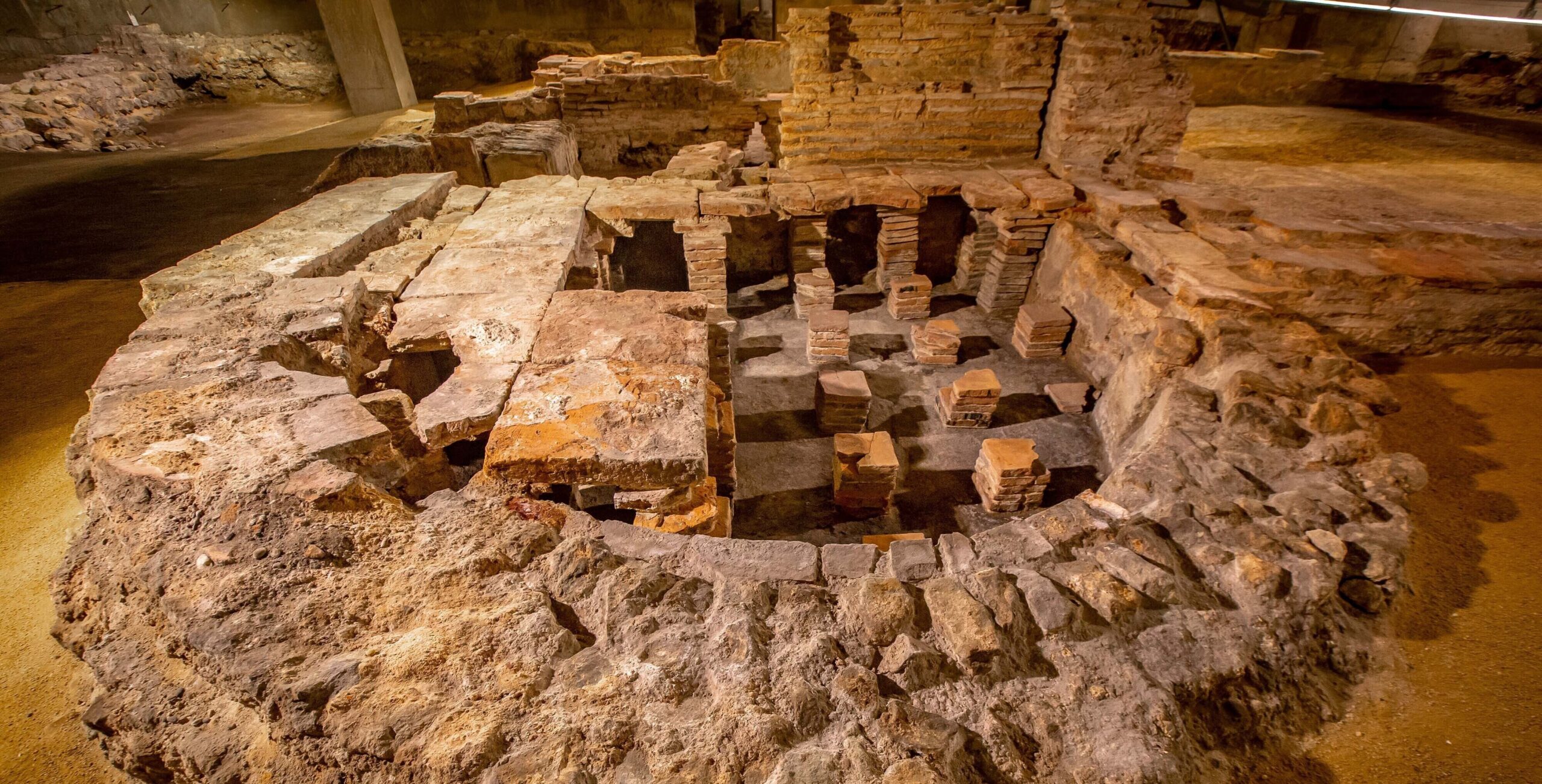
The year 2025 has witnessed an unprecedented wave of archaeological discoveries, a global phenomenon experts are calling an "archaeology boom." From lost royal tombs to entire prehistoric cities, these breakthroughs are reshaping history as we know it. This surge is driven by cutting-edge technology and renewed global collaboration, revealing secrets from the Neolithic era to the Roman Empire.
The sheer volume and significance of finds across continents mark 2025 as a historic year for the field. Discoveries in Egypt, Turkey, and London are challenging long-held timelines and forcing textbooks to be rewritten. This article explores the key finds and the forces behind this remarkable period of revelation.
Several key factors have converged to create the perfect conditions for the 2025 archaeology boom. Post-pandemic funding increases have enabled larger, longer-term projects to restart with vigor. Furthermore, international partnerships have pooled expertise and resources like never before, such as Azerbaijani-Japanese and Polish-Sudanese teams.
The most transformative element, however, is the rapid integration of advanced technology. These tools are allowing archaeologists to see beneath the earth and analyze finds with revolutionary precision.
LiDAR (Light Detection and Ranging) has been a game-changer, especially in dense jungles and rugged terrains. By using laser pulses from aircraft, it creates detailed 3D maps of the ground surface, stripping away vegetation to reveal hidden structures. This technology was pivotal in mapping the newly discovered Mayan complex in Guatemala.
Drones and advanced aerial photography provide high-resolution surveys of vast areas quickly and cheaply. They were instrumental in identifying over 1,200 archaeological sites in Sudan's Bayuda Desert and in revealing the outlines of a vast Avar-era cemetery in Hungary.
Artificial intelligence is now assisting in pattern recognition within satellite imagery and even in the fragment reconstruction of pottery and texts. Meanwhile, global collaboration ensures that diverse specialists can work on a single site simultaneously. This multidisciplinary approach accelerates analysis and leads to more nuanced interpretations of the past.
The 2025 archaeology boom stems from a powerful synergy of post-pandemic funding, advanced tech like LiDAR and AI, and unprecedented international collaboration.
The most paradigm-shifting discoveries of 2025 come from the prehistoric era, dramatically pushing back the dates for complex social organization and monumental architecture. Sites in Anatolia are proving that socieites capable of large-scale, coordinated projects existed much earlier than previously believed.
At the site of Karahantepe in Turkey, ongoing excavations have revealed a stunning structure dating to approximately 9400–8000 BCE. The centerpiece is a 17-meter-diameter circular "amphitheater" featuring stone benches and over 250 distinctive T-shaped pillars.
This discovery, a close contemporary to the famous Göbekli Tepe, includes elaborate carvings of human and animal figures. It suggests these early Neolithic communities gathered in large numbers for social or ritual purposes, challenging the notion that monument-building only began with settled agricultural societies.
Karahantepe is not an isolated find. It is part of the sprawling Taş Tepeler (Stone Hills) project, which encompasses 12 major sites. The ongoing work reveals a vast, interconnected Neolithic landscape where people shared iconography and architectural styles across large distances.
These finds from October 2025 confirm that the region was a hotspot of cultural innovation at the dawn of civilization. The sophistication of the carvings and the sheer labor required for construction continue to astound researchers and reshape our understanding of human prehistory.
In Egypt, a discovery has captured the world's imagination and filled a critical gap in pharaonic history. The potential uncovering of the tomb of Pharaoh Thutmose II in the Valley of the Kings stands as one of the most significant Egyptian finds in a century.
Thutmose II, who ruled from around 1493 to 1479 BCE, was a key ruler of Egypt's mighty New Kingdom period. Until 2025, his final resting place had never been conclusively identified. The recent discovery of a tomb containing identified funerary furniture attributed to him changes everything.
Egypt's Supreme Council of Antiquities has hailed this as potentially the last missing royal tomb from the illustrious 18th Dynasty. If confirmed, it would be the first such royal tomb discovery in the Valley since Howard Carter found Tutankhamun's in 1922.
The contents of this tomb could provide invaluable new data on the royal lineage, burial practices, and material culture of the early 18th Dynasty. It offers a direct window into a period of immense power and wealth in ancient Egypt.
This find underscores that even the world's most famous archaeological landscape still holds profound secrets. It revitalizes interest in Egyptian archaeology and demonstrates how traditional excavation, when combined with modern analysis techniques, continues to yield earth-shattering results.
The 2025 archaeology boom is not confined to remote deserts or hidden valleys. Major discoveries within modern urban centers and beneath ancient cities are providing stunning new insights into daily life, governance, and engineering. These finds reveal the sophistication of ancient urban planning on a global scale.
From the heart of a European capital to the depths of a Central American jungle, urban archaeology is flourishing. It demonstrates how past societies managed water, built infrastructure, and organized communal spaces, lessons that often resonate with contemporary challenges.
Beneath a modern skyscraper in the City of London, archaeologists uncovered one of the largest Roman buildings ever found in Britain. The vast Roman basilica, dating from 78–84 CE, served as the civic heart and administrative center of Londinium, the Roman settlement that became London.
Its scale underscores the importance of this provincial capital within the Roman Empire. The discovery includes architectural fragments and floor surfaces that speak to the building's grandeur. Developers have announced plans to preserve and publicly exhibit the remains in the building's basement, integrating ancient history into the modern cityscape.
While excavating in northern Guatemala, researchers used LiDAR and ground surveys to reveal an extensive Mayan complex dating back approximately 3,000 years. The site features pyramids, ceremonial sanctuaries, and an intricate network of canals and reservoirs.
This discovery highlights the advanced hydrological engineering of the Preclassic Maya. The sophisticated water management system was crucial for supporting a large population in a tropical environment, revealing a deep understanding of landscape modification and sustainability long before the Maya's classic period zenith.
The 2025 urban finds, from London's basilica to Mayan canals, prove ancient cities were hubs of sophisticated engineering and administration, fundamentally reshaping our view of daily life in antiquity.
Archaeology often illuminates the pivotal moments where cultures collided and history turned. Several major 2025 finds are directly tied to periods of warfare, trade, and cultural exchange, providing tangible evidence for events previously known only from texts. These discoveries ground historical narratives in physical reality.
From a British hoard buried in fear to a Spanish city sacked by Rome, these sites offer a poignant look at moments of crisis and conquest. They tell stories of wealth hidden, cities destroyed, and the indelible marks left by empire.
In January 2025, a significant cache of Iron Age artifacts was announced in Melsonby, England. The Melsonby Hoard contains a large collection of items, including ornaments, tools, and possibly coinage, buried by their owners likely during a period of invasion or social upheaval.
Such hoards are time capsules of material culture and economic life. They represent wealth deliberately hidden for safekeeping, whose owners never returned to reclaim it. The analysis of this hoard will provide exceptional detail about craftsmanship, trade networks, and the turbulent final centuries before the Roman conquest of Britain.
In Catalonia, Spain, excavations have identified the remains of the Iberian city of Cissa. This settlement is historically significant as the site of a early battle in the Second Punic War (218-201 BCE) between Roman and Carthaginian forces.
Finding the physical location of Cissa, mentioned in ancient chronicles, allows archaeologists to ground a major historical event in a specific landscape. Artifacts from the site can reveal the material culture of the Iberian people caught between two expanding empires, offering evidence of the conflict's destruction and its impact on local societies.
The incredible pace of discovery in 2025 exists alongside growing threats to the world's archaeological heritage. Climate change is now a primary concern, with rising sea levels, increased droughts, and extreme weather events putting fragile sites at immediate risk. The race is on to document and preserve history before it is erased.
Paradoxically, some climate effects are also revealing new sites, as melting ice and shifting sands expose previously hidden remains. This creates an urgent dual mandate for archaeologists: to rapidly record these emergent finds while developing strategies for long-term protection of all vulnerable heritage.
A major survey in Sudan's Bayuda Desert announced in January 2025 documented over 1,200 new archaeological sites. These were identified around a ancient natron paleolake, a resource that attracted human activity for millennia.
While this discovery is monumental, the fragile desert environment is highly vulnerable to climate shifts and human encroachment. The sites, which range from prehistoric tool scatters to more complex settlements, offer an unparalleled record of human adaptation to arid environments. Their preservation is now a critical international priority.
Even long-excavated sites like Pompeii face new challenges. While 2025 brought stunning discoveries like new Dionysian frescoes, the site constantly battles the elements. Conservation scientists are increasingly focused on preserving organic materials—wood, textiles, food remains—that decay rapidly once exposed.
These materials, if preserved, provide the richest details of daily life. The ongoing work at Pompeii is a global laboratory for developing conservation techniques that can be applied worldwide. It highlights that excavation is only the first step; sustaining a find for future generations is the ongoing mission.
Beyond grand monuments and royal tombs, some of the most evocative finds of 2025 speak to the intimate details of ancient lives. These discoveries of personal objects, health remedies, and burial practices remind us that history is made of individuals. They provide a direct, often poignant, connection to our shared human experience across millennia.
From evidence of prehistoric cosmetics to the remains of a community, these finds complete the picture of ancient societies. They answer fundamental questions about how people cared for themselves, expressed identity, and honored their dead.
Analysis of residues in ancient containers has provided evidence of what experts call a prehistoric "sunscreen" or protective balm. This find, highlighted in 2025 retrospectives, indicates an early understanding of dermatological protection against sun exposure.
Such a discovery is a powerful testament to practical human ingenuity. It moves beyond mere survival and suggests the development of specialized knowledge for improving comfort and health, reflecting a sophisticated relationship with the natural environment.
In the Judean Desert, a small but significant Ptolemaic pyramid dating back 2,200 years was excavated. The structure, from the Hellenistic period following Alexander the Great's conquests, contained valuable artifacts including papyri documents, coins, and weapons.
This pyramid is not a royal tomb but likely a monument for a local elite or official, showcasing the spread of Hellenistic architectural styles into the region. The papyri are particularly exciting, as textual evidence from this period can provide unparalleled insights into administration, law, and daily affairs in a multicultural frontier of the ancient world.
The archaeology boom of 2025 is truly a worldwide phenomenon, with no single continent untouched by major revelations. This geographic diversity enriches our collective history, showing parallel innovations and distinct cultural pathways. From European villas to Asian figurines, the year's finds paint a connected yet wonderfully varied picture of the human past.
The sheer geographic spread underscores a vital point: groundbreaking archaeology is no longer the sole domain of a few traditional regions. International teams are working in more countries than ever before, driven by shared technology and a collaborative spirit. This global effort is yielding a more inclusive and comprehensive historical record.
While London's basilica and Pompeii's frescoes grabbed headlines, other European finds were equally profound. In Auxerre, France, a sprawling 4,000 m² Roman villa complex was unveiled on June 5th, revealing the opulent rural lifestyle of the Gallo-Roman elite.
In Hungary, aerial photography led to the discovery of a significant Avar-era cemetery. The Avars, a nomadic group that dominated Central Europe in the Early Middle Ages, left behind grave goods that shed light on their warrior culture and artistic sensibilities. These diverse finds illustrate the layered history of the European continent.
A remarkable 8,400-year-old Mesolithic figurine was uncovered in Azerbaijan, a product of a successful Azerbaijani-Japanese collaboration. This exquisitely crafted object, from a period often considered less artistically complex, demonstrates advanced symbolic thought and artistry among hunter-gatherer societies.
This find, along with the ongoing work at sites like Karahantepe in Turkey, highlights the Caucasus and Anatolia as cradle regions for early human artistic and monumental expression. It challenges older models that placed the origins of such complexity elsewhere.
The global distribution of 2025's discoveries—from France to Azerbaijan, Sudan to Guatemala—proves that every region holds unique and pivotal chapters in the story of humanity.
The breakthroughs of 2025 are not just about what was found, but about how it was found and understood. Modern archaeology is a fusion of traditional fieldwork with laboratory science and digital analysis. This multimodal methodology accelerates discoveries and extracts far more information from each site and artifact than was possible just a decade ago.
Painstaking excavation remains foundational, but it is now augmented by a suite of tools that act as force multipliers. From the initial survey to the final publication, every stage of the archaeological process has been transformed by technology, leading to faster, deeper, and more accurate interpretations.
The process often begins with non-invasive remote sensing. LiDAR, ground-penetrating radar, and drone surveys identify promising anomalies without breaking ground. This preserves sites and allows for strategic, targeted excavation. The Bayuda Desert's 1,200+ sites were first identified through such systematic aerial survey.
During excavation, 3D photogrammetry creates precise digital models of every layer and find in situ. Back in the lab, artifacts undergo materials analysis, DNA studies, and radiocarbon dating. Data from all these streams is then synthesized, often using specialized database software, to build a coherent narrative of the site.
While every year yields important finds, 2025 has been exceptional in both quantity and quality. Historically, a typical year might see 10 to 20 major archaeological announcements globally. By mid-2025, dedicated lists and Wikipedia's comprehensive "2025 in archaeology" page already cataloged over 20 major discoveries, with more announced throughout the second half of the year.
This volume is a direct result of the factors previously discussed: a backlog of post-pandemic research, technological leaps, and global collaboration. The discoveries are not only numerous but also high-impact, each contributing to a significant shift in our understanding of a particular era or civilization. They are not just incremental adds; they are paradigm-shifting breakthroughs.
Several mid-year retrospectives by leading publications attempted to rank the year's top discoveries. Consistently appearing on these lists were finds that combined shock value with deep scholarly impact. These rankings highlight what the professional community views as the most transformative work of the year.
The momentum of 2025 shows no signs of slowing. Major journals and magazines have already projected key themes for 2026 retrospectives, including studies on Indo-European speakers, newly discovered Minoan circles on Crete, and the world's oldest mummies. The archaeology boom has established a new normal for the pace and scope of discovery.
This legacy will be one of raised public engagement, higher expectations for interdisciplinary research, and a renewed emphasis on preservation. The successes of 2025 provide a powerful template for future work, demonstrating what is possible when resources, technology, and international goodwill align.
With great discovery comes great responsibility. The influx of new sites, particularly those exposed by climate change, creates an enormous conservation burden. Museums and institutions must manage and curate a growing flood of artifacts and data. Furthermore, there is an ethical imperative to ensure that discoveries are shared with, and benefit, local communities and source nations.
The field must also grapple with making this avalanche of information accessible and comprehensible to the public. Digital archives, virtual reality reconstructions, and thoughtful museum exhibitions will be crucial in translating these complex finds into public knowledge. The goal is to turn the 2025 archaeology boom into a lasting boom in historical literacy.
The archaeological discoveries of 2025 have collectively initiated a major revision of human history. They have pushed back the timeline of complex society, filled glaring gaps in famous dynasties, revealed the astonishing scale of ancient cities, and provided intimate glimpses into the minds and lives of our ancestors. This year has proven that the past is still very much alive, capable of surprising us and demanding that we reconsider long-held assumptions.
The driving forces behind this boom—advanced technology, global collaboration, and increased funding—are now embedded in the field's practice. This suggests that the pace of discovery will not diminish but may even accelerate. We are living in a golden age of archaeological revelation, where each dig season holds the potential to rewrite a chapter in our shared story.
The most important takeaway from 2025 is that history is not a static record in a book. It is a dynamic, physical, and often fragile inheritance buried all around us. The breakthroughs of this remarkable year remind us of the depth of human ingenuity across time and our enduring quest to understand our own origins. As analysis continues on this year's finds, one thing is certain: our perception of the ancient world will never be the same again.
China is preparing to launch its ambitious Tianwen II mission in 2025, with the goal of returning samples from the enigmatic near-Earth asteroid 469219 Kamo'oalewa by 2026. This landmark venture aims to unlock the cosmic secrets of a small, fast-spinning space rock that may actually be a lost fragment of the Earth's own Moon. The mission represents a significant leap in planetary exploration and could fundamentally reshape our understanding of the solar system's dynamic history.
The Tianwen-2 mission will collect samples from Earth's most stable quasi-satellite, a celestial body that has orbited in tandem with our planet for possibly millions of years.
Building on the resounding success of China's Chang'e lunar sample-return missions, Tianwen II is poised to tackle the unique challenges of a near-Earth object (NEO) sample return. By retrieving pristine material from Kamo'oalewa, scientists hope to definitively answer one of astronomy's most captivating recent questions: Are we looking at a captured asteroid, or a piece of the Moon itself?
First discovered in 2016 by the Pan-STARRS1 telescope in Hawaii, Kamo'oalewa is no ordinary asteroid. Its name, of Hawaiian origin meaning "the oscillating celestial fragment," hints at its unusual relationship with Earth. Unlike true satellites like the Moon, it is a quasi-satellite, meaning it orbits the Sun while appearing to dance around Earth.
The orbit of Kamo'oalewa is synchronized with Earth's, creating a celestial waltz that has remained stable for an extraordinarily long time. It is currently considered Earth's most stable known quasi-satellite. This long-term, co-orbital relationship makes it a prime target for study, as it offers a relatively accessible piece of deep space history.
Recent spectroscopic analysis has provided the most compelling clue to its origin. The asteroid's light signature shows a remarkable match to samples of space-weathered lunar silicates returned by the Apollo 14 mission and the Soviet Luna 24 lander. This spectral reddening, caused by prolonged exposure to micrometeorite bombardment and solar wind, suggests a surface with a story deeply connected to our nearest neighbor.
Kamo'oalewa presents a challenging target due to its small size and rapid motion. Current estimates place its elongated diameter between 40 and 100 meters, with refined models suggesting 41 to 58 meters. For comparison, it is roughly the size of a large commercial aircraft.
Its most dizzying characteristic is its rotation period. The asteroid completes a full spin approximately every 28 to 30 minutes. This rapid rotation, combined with its low gravity, creates a surface environment of shallow regolith likely composed of fine grains and dust. This dynamic presents a significant navigational and sampling challenge for the Tianwen II spacecraft.
The asteroid belongs to the Apollo group of near-Earth objects and makes its closest approach to Earth at a distance of about 14.4 million kilometers. Its orbital inclination of about 8 degrees relative to the ecliptic plane is typical for NEOs, yet its precise dance with Earth remains a fascinating orbital curiosity.
The Tianwen II mission, also styled as Tianwen-2, is a cornerstone of China's expanding planetary exploration program. Following the lunar successes of Chang'e 5 and 6, this mission turns its focus to the more complex kinematics of an asteroid intercept, sample collection, and return journey.
The primary objective is clear: to rendezvous with asteroid Kamo'oalewa, collect a surface sample, and return that material safely to Earth for detailed laboratory analysis. The scientific payoff promises to be immense. Key mission goals include:
Current mission planning, based on reports from 2023 and 2024, targets a launch window in May 2025. Following a cruise phase, the spacecraft is scheduled to arrive at the asteroid in 2026. This timeline sets the stage for a historic encounter with one of Earth's most intriguing celestial companions.
The mission will build directly on the technologies proven by Chang'e-5, but must adapt to the unique profile of Kamo'oalewa. The spacecraft must execute a precise rendezvous with a fast-rotating, small target, then deploy a sampling mechanism capable of gathering material from its uncertain surface structure—all autonomously millions of kilometers from Earth.
The leading scientific hypothesis, bolstered by recent studies, posits that Kamo'oalewa is a fragment ejected from the Moon during a massive impact event. This theory has gained substantial traction, transforming the mission from an asteroid sample return into a potential deep-space lunar sample return.
In 2024, sophisticated impact simulations provided a startlingly specific potential source: the Giordano Bruno crater. This 22-kilometer-wide crater on the far side of the Moon's highlands is estimated to be relatively young, between 1 and 10 million years old. The simulations suggest that an impactor approximately 1.6 kilometers wide could have ejected debris at just the right velocity to escape the Moon's gravity.
The impact modeling shows viable pathways for lunar material to reach stable Earth-co-orbital space, despite significant dynamical barriers, making the Giordano Bruno crater a prime suspect.
Material ejected from the trailing hemisphere of the Moon during such an impact could achieve escape velocity with just a small extra boost. Over millennia, this debris could have migrated into the stable quasi-satellite resonance that Kamo'oalewa occupies today.
Confirming a lunar origin would have profound implications. It would prove that lunar impact ejecta can become stable, independent near-Earth objects. This revelation would suggest that a certain, previously unknown proportion of the NEO population might not be asteroids from the main belt, but rather fragments from planetary collisions.
This knowledge directly impacts planetary defense models. Understanding the composition, strength, and origin of NEOs like Kamo'oalewa is crucial for assessing the threat they may pose and for designing potential deflection strategies, as demonstrated by missions like NASA's DART and the upcoming ESA Hera mission.
The Tianwen II samples would provide a pristine, dated fragment of a specific lunar impact event, offering an unprecedented look into the thermodynamics and dynamics of a major crater-forming collision.
The Tianwen II mission is an extraordinary feat of engineering precisely because its target, Kamo'oalewa, is an extraordinary celestial body. Its rapid 28-minute rotation period and small size create a sampling scenario unlike any attempted before. China's spacecraft must execute a delicate dance of autonomous navigation and precision mechanics far from Earth.
Due to the significant communication delay between Earth and the asteroid, the spacecraft must perform its final approach and sampling sequence almost entirely autonomously. It must use onboard sensors and processors to map the asteroid's irregular shape, assess potential hazards, and select a safe sampling site in real-time.
The low gravity environment adds another layer of complexity. The spacecraft cannot simply "land" in a traditional sense. It will likely need to perform a gentle touch-and-go maneuver, making contact with the surface for just seconds to activate its sampling mechanism before pushing off to avoid being caught in the asteroid's weak gravitational pull.
Successfully collecting a sample from a body rotating once every half-hour requires unprecedented precision in autonomous guidance, navigation, and control systems.
The sampling system itself must be robust yet delicate. Based on experience from Chang'e-5, it may involve a combination of techniques. Given the expected shallow regolith, a scoop or brush mechanism could gather surface dust. Alternatively, a projectile might be fired to stir up material for collection.
Key design considerations include:
Overcoming these challenges will provide invaluable technological heritage for future Chinese missions to even more distant small bodies, including comets and main-belt asteroids.
The sealed sample return capsule, upon its parachute-assisted landing on Earth, will be transported to specialized curation facilities. There, scientists will begin the painstaking process of analyzing what may be the first verified sample of lunar material ejected into independent solar orbit. The potential discoveries span multiple disciplines.
The most fundamental question is one of provenance. Laboratory analysis will look for definitive signatures that link the material unmistakably to the Moon. Scientists will examine the sample's:
A confirmed lunar origin would instantly make Kamo'oalewa one of the most scientifically valuable rocks ever studied. It would represent a known piece of the Moon's crust from a specific location (potentially the Giordano Bruno crater) and a known ejection event, providing a perfect "ground truth" for impact models.
Beyond origin, the samples will act as a time capsule recording millions of years of exposure to the raw space environment. As a small, unprotected object, Kamo'oalewa has been bombarded by micrometeorites and irradiated by solar wind and cosmic rays.
Studying the degree of space weathering on its surface grains will help calibrate models used to date surfaces on airless bodies throughout the solar system. Furthermore, if it is confirmed lunar ejecta, its age could pin down the formation date of the Giordano Bruno crater with much greater accuracy than current remote estimates of 1-10 million years.
The Tianwen II mission has the potential to revolutionize our census of near-Earth objects. If Kamo'oalewa is lunar, it raises a provocative question: how many other small NEOs are also planetary ejecta rather than asteroids from the main belt?
A confirmed lunar origin would suggest a previously unrecognized population of lunar fragments in near-Earth space, altering our statistical understanding of impact hazards.
This insight is critical for planetary defense. The physical composition and structural integrity of a monolithic rock from the asteroid belt differ from a rubble-pile fragment of a planetary surface. Understanding what NEOs are made of is essential for developing effective deflection strategies should one be found on a collision course with Earth.
China's Tianwen II mission is launching into a new era of international asteroid science and sample return. It joins a prestigious fleet of missions that are collectively demystifying these primitive building blocks of the solar system.
While Tianwen II is pioneering in its target choice, it builds upon the legacy of Japan's Hayabusa2 and NASA's OSIRIS-REx missions. Hayabusa2 returned samples from the carbonaceous asteroid Ryugu in 2020, revealing a wealth of organic compounds. OSIRIS-REx successfully collected a sample from asteroid Bennu, which was delivered to Earth in 2023.
However, Kamo'oalewa presents a stark contrast to these previous targets:
The technological lessons from touch-and-go sampling on Bennu and Ryugu will inform the Tianwen II team, but the unique rotational dynamics of their target require novel solutions.
The study of near-Earth objects is no longer purely an academic pursuit. The successful kinetic impact of NASA's DART mission on asteroid Dimorphos in 2022 proved we can alter an asteroid's trajectory. The upcoming ESA Hera mission will visit Dimorphos to study the crater and assess the deflection effect in detail.
In this global effort, understanding the physical composition and structure of different NEO types is paramount. Data from Tianwen II on the density, cohesion, and mineralogy of Kamo'oalewa will feed directly into planetary defense models. If it is a consolidated lunar rock, it would respond to an impactor differently than the rubble-pile structures of Bennu or Ryugu.
Tianwen II is a critical stepping stone in China's methodical plan for solar system exploration. Following the Tianwen-1 Mars orbiter and rover mission, and the Chang'e lunar program, this mission demonstrates an expanding capability set. It tests the deep-space navigation, sample acquisition, and high-speed Earth return technologies essential for even more ambitious future goals.
These goals reportedly include a Mars sample return mission in the 2030s and potential voyages to Jupiter and its moons. Each successful mission builds the confidence and technical portfolio necessary to undertake these profound journeys. The samples from Kamo'oalewa will not only answer immediate scientific questions but also pave the way for China's future as a leading spacefaring nation.
The pristine material sealed within the Tianwen II sample return capsule holds the potential to rewrite textbooks. While the mission's primary goal is to test the lunar ejecta hypothesis, the samples will be scrutinized for a myriad of other secrets. The investigation will proceed from the macroscopic to the atomic level, seeking answers to fundamental questions about our solar system's history.
If the lunar origin is confirmed, scientists will have, for the first time, a piece of a specific, dated lunar crater. They can analyze the sample's shock features and crystallization age to determine the precise conditions of the impact that created Giordano Bruno. This data will provide a ground-truth calibration point for crater chronology models used across the Moon and other terrestrial planets.
The sample could reveal the thermal and pressure history of the impact event itself. By studying how minerals were altered or melted, researchers can infer the energy and angle of the impactor. This information is crucial for understanding the mechanics of large collisions, which have shaped the surfaces of all rocky planets.
A confirmed Giordano Bruno fragment would act as a "Rosetta Stone" for interpreting the history of lunar and planetary impacts across the solar system.
While the lunar hypothesis is leading, a fascinating alternative exists: could Kamo'oalewa be a fragment of Earth? The dynamics of ejecting material from Earth are more challenging due to its thicker atmosphere and stronger gravity, but not impossible for very large, ancient impacts. The samples will be meticulously checked for isotopic signatures unique to Earth, a discovery that would be equally revolutionary.
Finding terrestrial material would imply that impacts can launch viable rocks into stable interplanetary orbits, raising the tantalizing possibility of natural panspermia within the inner solar system. It would also mean that pieces of our own planet's ancient crust could be orbiting the Sun, waiting to be discovered.
Beyond pure science, the mission will assess the resource potential of near-Earth objects. Kamo'oalewa's silicate-rich composition, if lunar, means it could contain materials similar to the Moon's crust, including potentially useful minerals and oxygen locked within its rocks.
Understanding the mechanical properties of such a body—how its regolith behaves, how it holds together—is essential for future in-situ resource utilization (ISRU) concepts. Whether for fueling deep-space missions or constructing infrastructure, characterizing these small bodies is a key step in humanity's long-term spacefaring future.
The success of Tianwen II will reverberate far beyond the specific analysis of its samples. It will influence observational strategies, theoretical models, and the future direction of international space exploration for decades to come.
Kamo'oalewa is one of only five known Earth quasi-satellites. Confirming its origin as lunar ejecta would immediately prompt a reassessment of the others. Astronomers would intensify spectroscopic studies of objects like 2023 FW13 (another Earth quasi-satellite) to search for similar lunar signatures.
This could lead to a new sub-classification of NEOs: planetary ejecta co-orbitals. It would also spur dynamicists to refine models of how material ejected from the Moon or other planets can be captured into stable resonant orbits, providing a clearer picture of the post-impact life of debris in the inner solar system.
The techniques proven by Tianwen II—approaching, characterizing, and sampling a fast-rotating, small body—will directly enable a new generation of missions. Both NASA and ESA are considering missions to other quasi-satellites or fast-rotating asteroids.
The data on Kamo'oalewa's surface properties will help engineers design more effective sampling mechanisms and navigation sensors. Furthermore, if a significant proportion of NEOs are found to be planetary ejecta, it could shift mission priorities toward these bodies as they offer a way to sample planetary crusts without the cost of landing on the planets themselves.
The mission's findings will have a direct and practical application in protecting Earth. Planetary defense relies on knowing the enemy. The structure and composition of an asteroid determine how it would respond to a kinetic impactor like DART.
A consolidated lunar fragment would behave very differently than a rubble-pile asteroid like Bennu. Understanding the density, internal strength, and porosity of objects like Kamo'oalewa adds a crucial data point to our defensive models, helping to tailor deflection strategies for different types of threats.
The Tianwen II mission to asteroid Kamo'oalewa represents a confluence of cutting-edge engineering, bold scientific inquiry, and strategic vision. Set to launch in 2025 and return its precious cargo in 2026, it is not merely a sample return mission; it is a voyage to answer a fundamental question about our place in the cosmos.
As the world awaits the mission's launch, the potential outcomes solidify its historical importance. The key anticipated results include:
When the sample canister finally lands on Earth, the real work begins. International teams of scientists will likely collaborate, as they did with Apollo, Hayabusa2, and OSIRIS-REx samples, to extract every possible datum. They will peer into the atomic structure of the grains, searching for stories of violent impacts, eons of space weathering, and a journey that may have begun on the familiar surface of our Moon.
The Tianwen II mission to Kamo'oalewa transcends national programs; it is a human endeavor to understand the connected history of our celestial neighborhood.
Whether it confirms a lunar origin or reveals a surprising new truth, the mission will undoubtedly alter our perception of the solar system's dynamism. It underscores a profound reality: the planets are not isolated worlds. They exchange material, and fragments of one world can find a temporary home orbiting another. Tianwen II is our emissary to retrieve a piece of that shared history, promising to unlock secrets of asteroids, the Moon, and the very processes that shape our solar system.


In the annals of environmental history, few names resonate as profoundly as Rachel Carson. A marine biologist, author, and conservationist, Carson's groundbreaking work, particularly her 1962 book Silent Spring, exposed the devastating effects of synthetic pesticides like DDT. Her efforts not only catalyzed the modern environmental movement but also led to significant policy changes, including the nationwide DDT ban in 1972 and the establishment of the U.S. Environmental Protection Agency (EPA).
Born on May 27, 1907, in Springdale, Pennsylvania, Rachel Carson exhibited a deep fascination with nature from an early age. She pursued her passion for biology, earning a master's degree in zoology. In 1936, she became the second woman hired as a professional biologist by the U.S. Bureau of Fisheries, which later evolved into the U.S. Fish and Wildlife Service. By 1952, Carson had risen to the position of editor-in-chief, a testament to her expertise and dedication.
Carson's literary contributions began with her bestselling sea trilogy, which included Under the Sea-Wind (1941), The Sea Around Us (1951), and The Edge of the Sea (1955). These works masterfully blended scientific rigor with poetic prose, making marine ecology accessible and engaging to a broad audience. The Sea Around Us, in particular, topped bestseller lists, enabling Carson to transition to full-time writing.
Published in 1962, Silent Spring was a watershed moment in environmental history. The book meticulously documented the harmful impacts of synthetic pesticides, particularly DDT, on ecosystems and human health. Carson's work faced significant backlash from the chemical industry but ultimately reached a vast audience, including 15 million viewers through a CBS special. This public outcry led to President Kennedy's Science Advisory Committee validating her findings.
Rachel Carson's contributions have been widely recognized and celebrated. In 1963, she became the first woman to receive the Audubon Medal. Posthumously, she was awarded the Presidential Medal of Freedom in 1980 by President Jimmy Carter. Additionally, the Rachel Carson National Wildlife Refuge was established in 1969 in her honor.
Carson's legacy extends far beyond her lifetime. Her work has inspired movements such as grassroots environmentalism, deep ecology, and ecofeminism. She popularized the term "ecology" as the study of "our living place," shifting public perception of pollution as incompatible with progress. Her influence is evident in conservation policies, the establishment of Earth Day in 1970, and feminist science.
Rachel Carson's life and work have left an indelible mark on the world. From her early days as a marine biologist to her groundbreaking literary contributions, Carson's dedication to environmental conservation has inspired generations. Her legacy continues to drive global movements and shape policies aimed at protecting our planet for future generations.
Rachel Carson's Silent Spring was not merely a scientific exposition; it was a direct challenge to the powerful chemical industry. The book exposed the widespread use of DDT and other synthetic pesticides, which were initially hailed as miracles of modern agriculture. Carson meticulously documented how these chemicals were decimating wildlife populations, contaminating water supplies, and posing serious risks to human health, including links to cancer.
The chemical industry responded with a fierce campaign to discredit Carson. Companies like Monsanto and American Cyanamid launched aggressive PR campaigns, labeling her as an alarmist and accusing her of spreading misinformation. Despite the backlash, Carson's rigorous research and compelling arguments won over the public and policymakers.
"The chemical industry's attempts to silence Carson only amplified her message, turning Silent Spring into a rallying cry for environmental activists."
Carson's work had a profound impact on government policies. Prior to Silent Spring, there was limited regulation on pesticide use. However, the public outcry and scientific validation of her findings led to significant changes. In 1963, Carson testified before Congress, urging lawmakers to take action against the unchecked use of harmful chemicals.
President John F. Kennedy was moved by Carson's testimony and the public concern it generated. He directed his Science Advisory Committee to investigate the claims made in Silent Spring. The committee's report, released in 1963, largely validated Carson's findings, leading to increased scrutiny and regulation of pesticide use.
Behind the public persona of a determined environmental advocate was a woman facing significant personal challenges. Rachel Carson was diagnosed with breast cancer in the early 1960s, a fact she kept private to avoid detracting from her work. Despite her illness, she continued to write, testify before Congress, and advocate for environmental protection until her death on April 14, 1964.
During her final years, Carson's health deteriorated rapidly. However, her commitment to her cause never wavered. She completed Silent Spring while undergoing treatment for cancer and even managed to testify before the Senate Subcommittee on Government Operations in 1963. Her testimony was a powerful call to action, emphasizing the need for stricter regulations on pesticide use.
"We still talk in terms of conquest. We still haven't become mature enough to think of ourselves as only a tiny part of a vast and incredible universe."
Rachel Carson's contributions have been recognized and celebrated long after her passing. In 1980, she was posthumously awarded the Presidential Medal of Freedom by President Jimmy Carter, the highest civilian honor in the United States. Additionally, her home in Silver Spring, Maryland, was designated a National Historic Landmark.
While Rachel Carson's work initially focused on the United States, its impact was felt worldwide. Silent Spring was translated into numerous languages and inspired environmental movements across the globe. Countries began to reassess their own pesticide policies, leading to international bans and regulations on harmful chemicals.
Rachel Carson's legacy continues to inspire new generations of environmentalists. Her work laid the foundation for modern environmental science and advocacy, encouraging countless individuals to pursue careers in ecology, conservation biology, and environmental policy. Educational institutions, such as Chatham University, have established programs and initiatives in her honor, ensuring that her vision endures.
Despite her monumental contributions, Rachel Carson's work has not been without criticism. Some argue that the ban on DDT had unintended consequences, particularly in regions where the chemical was used to combat malaria. Critics claim that the ban led to a resurgence of the disease in certain parts of the world.
Proponents of Carson's work counter these arguments by pointing out that DDT was already becoming less effective due to mosquito resistance. They also highlight the development of alternative methods for malaria control, such as bed nets and integrated pest management. Furthermore, the environmental and health risks associated with DDT were deemed too significant to ignore, making the ban a necessary step for long-term public health and ecological stability.
The debate surrounding DDT underscores the complex interplay between environmental protection and public health. Rachel Carson's work has encouraged a more nuanced approach to pest control, one that balances the need for disease prevention with the imperative to protect ecosystems and human health. This ongoing dialogue is a testament to the enduring relevance of her ideas.
Rachel Carson’s impact on modern environmentalism extends far beyond her lifetime. Her work laid the groundwork for contemporary movements focused on sustainability, biodiversity conservation, and climate action. Today, her principles guide policies and activism worldwide, proving that her vision was not just ahead of its time but essential for the survival of our planet.
Carson’s influence is evident in landmark legislation such as the Clean Air Act (1970), the Clean Water Act (1972), and the Endangered Species Act (1973). These laws reflect her belief in the interconnectedness of ecosystems and the need for holistic environmental protection. Her advocacy also inspired the creation of international agreements like the Stockholm Convention on Persistent Organic Pollutants (2001), which aimed to eliminate or restrict harmful chemicals globally.
Carson’s ability to communicate complex scientific ideas to the public empowered ordinary citizens to demand change. Her work fueled the rise of grassroots environmental organizations, including:
These organizations continue to champion causes that Carson held dear, from pesticide regulation to climate change mitigation.
Rachel Carson was a pioneer in bridging the gap between scientific research and public advocacy. She demonstrated that science could—and should—inform policy and public opinion. This approach has become a cornerstone of modern environmental activism, where data-driven arguments are used to push for systemic change.
Carson’s ability to translate complex scientific concepts into accessible language was revolutionary. She understood that to effect change, the public needed to grasp the urgency of environmental issues. This principle is now a staple of environmental education and science communication. Modern advocates, from Greta Thunberg to Bill McKibben, follow in her footsteps by using clear, compelling narratives to mobilize action.
Despite progress, today’s environmental advocates face challenges similar to those Carson encountered. These include:
Carson’s strategies—rigorous research, public engagement, and persistent advocacy—remain effective tools for overcoming these obstacles.
Carson’s influence extends into academia, where her work has inspired generations of scientists, writers, and policymakers. Educational institutions and research centers continue to honor her legacy by advancing the fields she pioneered.
Numerous universities and organizations have established programs in Carson’s honor, including:
These institutions ensure that Carson’s principles of ecological stewardship and scientific integrity endure.
Carson’s life and work are frequently cited in environmental science curricula and women’s studies programs. Her story serves as a powerful example of how individuals can drive meaningful change, even in the face of adversity. Young activists and scientists often cite Carson as a key influence, demonstrating her ongoing relevance in shaping the next generation of environmental leaders.
Rachel Carson is also recognized as a foundational figure in ecofeminism, a movement that explores the connections between the oppression of women and the exploitation of nature. Her work highlighted how patriarchal structures often prioritize domination over harmony, leading to environmental degradation.
As one of the few women in her field during the mid-20th century, Carson faced significant gender-based challenges. Despite these obstacles, she achieved remarkable success, becoming a role model for women in STEM (Science, Technology, Engineering, and Mathematics). Her career demonstrated that women could excel in male-dominated fields and use their expertise to drive social change.
Carson’s writing often emphasized themes of interconnectedness and care, which are central to ecofeminist thought. She framed environmental issues not as isolated problems but as part of a larger web of life that requires nurturing and protection. This perspective has influenced modern ecofeminist scholars and activists, who continue to advocate for environmental justice and gender equity.
Silent Spring remains one of the most influential books in environmental history. Its publication marked a turning point in how society viewed the relationship between humans and the natural world. The book’s legacy includes:
More than six decades after its publication, Silent Spring remains relevant. Modern environmental crises, such as climate change, plastic pollution, and biodiversity loss, echo the themes Carson explored. Her call for precautionary action and scientific rigor in policymaking is more urgent than ever as the world grapples with these challenges.
Rachel Carson’s life and work offer a powerful reminder of the impact one individual can have on the world. Her courage in challenging powerful industries, her dedication to scientific truth, and her ability to inspire collective action have left an indelible mark on environmentalism. As we face unprecedented environmental challenges in the 21st century, Carson’s message remains clear: we are not separate from nature but an integral part of it, and our survival depends on our willingness to protect it.
Rachel Carson’s legacy is a testament to the power of persistence, passion, and purpose. Her work continues to inspire those who strive for a healthier, more sustainable planet. As we move forward, her words serve as both a warning and a guide:
"In nature, nothing exists alone."This simple yet profound idea reminds us that our fate is inextricably linked to the health of the natural world—a lesson as vital today as it was in Carson’s time.



The gaming landscape in 2025 is shaping up to be one of the most exciting years yet, with Hades 2 and Metroid Prime 4 leading the charge. These titles aren’t just sequels—they’re evolutionary leaps in their respective genres, promising to redefine what players expect from rogue-lite action and sci-fi exploration. As the industry continues to push boundaries, these games stand out for their innovation, storytelling, and sheer ambition.
The gaming industry in 2025 is poised for a seismic shift, driven by technological advancements and creative risks. With the next-gen consoles fully established and PC gaming reaching new heights, developers are leveraging these platforms to deliver experiences that were once unimaginable. According to Newzoo’s 2024 report, the global gaming market is projected to exceed $220 billion by 2025, fueled by demand for high-quality, immersive titles.
This year, sequels and new IPs are set to dominate, but none are as anticipated as Hades 2 and Metroid Prime 4. These games represent the pinnacle of their genres, blending cutting-edge mechanics with rich narratives to create experiences that resonate with both casual and hardcore gamers.
Hades 2, the follow-up to Supergiant Games’ critically acclaimed Hades, is already generating massive buzz. The original game redefined the rogue-lite genre with its tight combat, compelling storytelling, and stunning art style. Hades 2 aims to build on that foundation while introducing fresh mechanics and a new protagonist, Melinoë, the sister of Zagreus.
The first Hades set a high standard, but Hades 2 is poised to surpass it. Here’s why:
Early previews suggest that Hades 2 retains the addictive gameplay loop of its predecessor while adding layers of depth. The combat system is more fluid, the narrative branches are richer, and the replayability is off the charts. If the original was a masterpiece, this sequel could be a generational defining title.
The Hades community has been vocal about their excitement, with many praising the early access builds for their polish and innovation. Critics are equally optimistic, with IGN calling it “a rogue-lite that feels both familiar and revolutionary.” The game’s Steam page has already amassed over 500,000 wishlists, a testament to its hype.
“Hades 2 isn’t just a sequel—it’s a love letter to fans of the original, packed with surprises that make it feel like a whole new adventure.” — PC Gamer
Few franchises carry the weight of Metroid, and Metroid Prime 4 is set to be the most ambitious entry yet. Developed by Retro Studios in collaboration with Nintendo, this game has been shrouded in mystery since its announcement. However, recent leaks and developer insights suggest it will be a groundbreaking addition to the first-person adventure genre.
The Metroid Prime series is legendary for its atmospheric storytelling, exploration-driven gameplay, and innovative mechanics. After a long hiatus, Metroid Prime 4 is expected to modernize the formula while staying true to its roots. Here’s what we know so far:
The Metroid Prime series has always been about isolation and discovery, and Metroid Prime 4 seems poised to perfect that formula. Rumors suggest a larger, more interconnected world than ever before, with puzzle-solving and boss battles that push the limits of the genre.
Nintendo has been tight-lipped about Metroid Prime 4, but the gaming community is buzzing with speculation. A recent leak from a trusted insider hinted at a 2025 release window, with the game being a launch title for Nintendo’s next hardware iteration. If true, this could make Metroid Prime 4 one of the most significant releases of the year.
“Metroid Prime 4 isn’t just a game—it’s a statement. Nintendo is proving that they can still innovate in a genre they helped define.” — GameSpot
With Hades 2 and Metroid Prime 4 leading the pack, 2025 is shaping up to be a landmark year for gaming. These titles represent the best of what the industry has to offer: innovation, storytelling, and sheer gameplay excellence. Stay tuned for Part 2, where we’ll dive deeper into the gameplay mechanics, developer insights, and what makes these games unmissable.
The gaming industry in 2025 is defined by innovation, and Hades 2 and Metroid Prime 4 are at the forefront of this evolution. Both games introduce groundbreaking mechanics that push their respective genres forward, ensuring they stand out in a crowded market.
Supergiant Games has always been known for refining its formulas, and Hades 2 is no exception. The game builds on the original’s addictive gameplay loop while introducing key innovations:
One of the most exciting additions is the “Fate System”, which allows players to alter their destiny between runs. This mechanic adds a layer of strategic depth, letting players tailor their experience to their preferred playstyle. Early testers report that this feature alone adds dozens of hours to the game’s longevity.
Metroid Prime 4 is taking the first-person adventure genre to new heights with mechanics designed to immerse players in its sci-fi world. Here’s what makes it a standout:
A particularly exciting rumor is the inclusion of “Phazon Corruption”, a mechanic that temporarily enhances Samus’s abilities at the cost of increased vulnerability. This risk-reward system could add a new layer of strategic depth to combat and exploration.
The success of Hades 2 and Metroid Prime 4 hinges on the talent and vision of their development teams. Both studios have a proven track record, but their approaches to game design couldn’t be more different.
Supergiant Games has built a reputation for polished, narrative-driven experiences, and Hades 2 is the culmination of their expertise. The studio’s philosophy revolves around player feedback and iterative design.
In a recent interview, Greg Kasavin, Creative Director at Supergiant, emphasized the importance of community engagement:
“We listened closely to what players loved about the first Hades and doubled down on those elements. But we also took risks—Hades 2 isn’t just more of the same; it’s a natural evolution.”
The studio’s small but mighty team of around 20 developers ensures that every aspect of the game receives meticulous attention. This handcrafted approach is evident in the game’s fluid animations, rich soundtrack, and tight gameplay.
Retro Studios, the team behind the original Metroid Prime trilogy, is making a triumphant return with Metroid Prime 4. After a period of uncertainty—including a development reboot in 2019—the studio has regrouped with a clear vision.
According to Nintendo’s Shinya Takahashi, the game is being built with modern technology while preserving the core essence of the series:
“Metroid Prime 4 is a passion project for Retro Studios. They’re leveraging everything they’ve learned over the past two decades to create something truly special.”
The studio’s collaboration with Nintendo’s EPD division has also been crucial. This partnership ensures that the game benefits from Nintendo’s expertise in level design and hardware optimization, particularly for the rumored Switch successor.
The release strategy for Hades 2 and Metroid Prime 4 highlights a key divide in the industry: multiplatform accessibility versus console exclusivity. This decision impacts not just sales, but also player engagement and community growth.
Supergiant Games has confirmed that Hades 2 will launch on PC (Steam/Epic), PlayStation 5, and Xbox Series X|S, ensuring a broad audience from day one. This approach has several advantages:
The original Hades thrived on PC before expanding to consoles, and this multiplatform strategy paid off with over 1 million copies sold in its first year. Hades 2 is poised to surpass these numbers, thanks to its day-one availability across all major platforms.
In contrast, Metroid Prime 4 will be a Nintendo exclusive, likely tied to the Switch successor. While this limits its initial audience, it comes with unique benefits:
Historically, Metroid Prime games have been system sellers. The original Metroid Prime sold over 2.8 million copies on the GameCube, proving that exclusivity can be a powerful strategy when executed well. If Metroid Prime 4 delivers on its promise, it could become a defining title for Nintendo’s next-gen hardware.
While Hades 2 and Metroid Prime 4 are primarily single-player experiences, their influence extends into the esports and streaming communities. Both games are expected to foster vibrant competitive scenes and content creation ecosystems.
The original Hades developed a dedicated speedrunning community, with players competing to achieve the fastest escape times and highest heat levels. Hades 2 is set to expand this scene with:
Platforms like Speedrun.com already have Hades 2 categories in development, and major gaming events are rumored to include it in their 2025 lineups. With its high skill ceiling and replayable design, it’s primed to become a staple in the rogue-lite esports scene.
The Metroid series has a legendary speedrunning community, known for discovering game-breaking glitches and sequence breaks. Metroid Prime 4 is expected to continue this tradition, with:
Games like Metroid Prime and Super Metroid have thrived in the speedrunning scene for decades. If Metroid Prime 4 delivers the same level of depth and freedom, it could become a cornerstone of the community for years to come.
Stay tuned for Part 3, where we’ll explore the final thoughts on these titles, their potential awards, and why they’re must-play experiences in 2025. We’ll also dive into player expectations and how these games could shape the future of their genres.
The influence of Hades 2 and Metroid Prime 4 extends far beyond their gameplay mechanics. These titles are poised to leave a lasting cultural footprint on the gaming industry, inspiring future developers and redefining player expectations.
The original Hades proved that rogue-lites could deliver deep, emotional storytelling alongside addictive gameplay. Hades 2 takes this further by introducing:
This approach to storytelling is rare in the rogue-lite genre, where narrative often takes a backseat to gameplay. By prioritizing character development and world-building, Hades 2 sets a new benchmark for how stories can be told in procedural games.
The Metroid franchise has always been about isolation, exploration, and atmosphere. Metroid Prime 4 honors this legacy while introducing modern innovations that could influence first-person games for years:
Metroid Prime 4 isn’t just a return to form—it’s a reinvention of what the series can be. By blending retro sensibilities with modern design, it proves that classic franchises can evolve without losing their identity.
Even before their official releases, Hades 2 and Metroid Prime 4 have garnered critical acclaim from preview events and industry insiders. Here’s what experts predict for their awards potential:
The original Hades won over 50 Game of the Year awards in 2020, and its sequel is already being touted as a 2025 frontrunner. Key areas where it excels include:
Game Informer recently stated:
“Hades 2 doesn’t just meet the high bar set by its predecessor—it vaults over it. This is a game that will be studied for years as a masterclass in sequel design.”
Nintendo’s first-party titles are known for their polish and innovation, and Metroid Prime 4 is no exception. Critics highlight:
The Verge praised its technical achievements:
“Metroid Prime 4 is what happens when a studio takes two decades of experience and applies it to next-gen hardware. The result is nothing short of breathtaking.”
The gaming community has been vocal about their anticipation for these titles. Social media, forums, and preview events reveal key player expectations:
Fans of the original Hades have high hopes for the sequel. Top requests include:
Supergiant has already confirmed that many of these features are in development, ensuring that Hades 2 will meet—and likely exceed—fan expectations.
The Metroid community is one of the most passionate in gaming, and their wishes for Metroid Prime 4 are clear:
Retro Studios has hinted that these elements are central to the game’s design, suggesting that Metroid Prime 4 will be a love letter to longtime fans.
As we look ahead to 2025, Hades 2 and Metroid Prime 4 stand out as the year’s most anticipated and influential titles. Here’s why they’re essential experiences for any gamer:
Hades 2 and Metroid Prime 4 represent the pinnacle of what gaming can achieve: innovation, artistry, and sheer fun. Whether you’re a fan of fast-paced rogue-lites or immersive first-person adventures, these games are must-play experiences that define 2025’s gaming landscape.
As the year unfolds, one thing is certain: these titles will be remembered not just as great games, but as landmark moments in the evolution of interactive entertainment. Don’t miss out—2025 is the year of Hades and Metroid.


Werner von Siemens was more than an inventor—he was an architect of modernity. Born in 1816 in Lenthe, Germany, this electrical engineer and entrepreneur transformed how the world communicated, traveled, and powered its industries. His groundbreaking work on the self-excited dynamo and improvements to the electric telegraph laid the foundation for today’s electrical and telecommunications networks.
By the time of his death in 1892, Siemens had built a global empire—Siemens & Halske (now Siemens AG)—that employed thousands and connected continents through underwater cables. His legacy isn’t just in patents but in how he industrialized innovation, turning scientific breakthroughs into practical, world-changing technologies.
Werner von Siemens’ journey began in a modest Prussian household. His father, a tenant farmer, couldn’t afford formal education for all his children, so Werner enrolled in a military academy. There, he studied mathematics, physics, and engineering—skills that would later define his career.
His early work in the Prussian artillery exposed him to the limitations of telegraph technology. The existing systems were slow, unreliable, and unable to transmit over long distances. Siemens saw an opportunity—not just to improve the technology but to revolutionize it.
In 1847, Werner von Siemens co-founded Telegraphen-Bauanstalt Siemens & Halske with mechanic Johann Georg Halske. Their mission? To build better telegraph systems. Within years, the company became a leader in electrical engineering, thanks to Siemens’ relentless experimentation.
One of their first major breakthroughs was the use of gutta-percha, a natural plastic, to insulate underwater cables. This innovation made long-distance communication possible, paving the way for global telegraph networks.
Siemens’ most famous invention—the self-excited dynamo—changed the world forever. Before his breakthrough in 1866, electricity was generated using inefficient methods. The dynamo solved this by using electromagnets to produce a continuous, powerful electrical current.
This wasn’t just a scientific achievement; it was an industrial revolution. Factories, streetlights, and even early electric trains could now run on reliable power. Siemens didn’t just invent the dynamo—he commercialized it, ensuring it became the backbone of modern electrification.
The genius of Siemens’ dynamo lay in its simplicity. Unlike earlier models that relied on permanent magnets, his design used residual magnetism to generate a self-sustaining electrical field. This meant:
Historians note that others, like Ányos Jedlik and Charles Wheatstone, had explored similar ideas. But Siemens was the first to patent, produce, and deploy the technology at scale—a testament to his business acumen.
Siemens didn’t just invent; he expanded. By the 1870s, his company had offices in London, Paris, St. Petersburg, and Vienna. They laid telegraph cables across the Mediterranean and connected Europe to India, shrinking the world in ways previously unimaginable.
His business model was ahead of its time:
By 1889, when Siemens retired, his company employed over 5,000 workers—a staggering number for the era. His brother Carl Wilhelm Siemens and later generations would continue expanding the empire, but Werner’s vision remained its core.
Today, Siemens AG is a global conglomerate with over 300,000 employees, operating in automation, energy, healthcare, and infrastructure. But Werner von Siemens’ influence goes beyond corporate success.
His work in electrification and telecommunications set the stage for:
Modern historians emphasize that Siemens’ true genius was in scaling innovation. He didn’t just create—he industrialized, ensuring his inventions reached every corner of the globe.
As we move toward a future powered by renewable energy and smart grids, Werner von Siemens’ legacy reminds us that progress isn’t just about ideas—it’s about making them work for the world.
Continue reading in Part 2, where we explore Siemens’ most famous inventions in detail, his rivalry with contemporaries, and how his company shaped the 20th century.
Before the internet, there was the electric telegraph—and Werner von Siemens made it faster, more reliable, and global. In the 1850s, telegraph lines were limited by poor insulation and weak signals. Siemens solved these problems with two key innovations:
First, he introduced gutta-percha, a rubber-like material, to insulate underwater cables. This allowed signals to travel long distances without degradation. Second, he developed the pointer telegraph, which used a needle to indicate letters—far more efficient than Morse code’s dots and dashes.
Siemens’ company didn’t just improve telegraphs—they built the networks that connected empires. In 1858, they laid a cable across the Mediterranean, linking Europe to the Middle East. By 1870, their cables stretched from London to Calcutta, cutting communication time from weeks to minutes.
These projects were engineering marvels:
By 1880, Siemens & Halske had installed over 20,000 miles of telegraph cable, making them the backbone of international communication. Governments, banks, and newspapers relied on their infrastructure—a testament to Siemens’ vision of a connected world.
In 1879, Werner von Siemens unveiled something the world had never seen: an electric passenger train. At the Berlin Industrial Exhibition, his locomotive pulled three cars at 13 km/h (8 mph)—a modest speed, but a revolutionary concept. For the first time, a train ran without steam, coal, or horses.
This wasn’t just a novelty. Siemens proved that electricity could replace steam power, offering a cleaner, more efficient alternative. His design used a third rail to deliver power, a system still used in modern subways.
Within two years, Siemens’ technology went from demonstration to public service. In 1881, the world’s first electric tram began operating in Lichterfelde, near Berlin. This 2.5 km (1.6 mi) route was the first step toward urban electrification.
The tram’s success led to rapid adoption:
Siemens’ electric railway wasn’t just about speed—it was about urban transformation. By eliminating smoke and noise, it made cities cleaner and more livable, setting the stage for modern public transit.
Werner von Siemens filed dozens of patents across Europe and the U.S., securing his inventions’ commercial future. His U.S. Patent No. 183,668 (1876) for an electric railway and Patent No. 307,031 (1884) for an electric meter were just two of many. But innovation rarely happens in isolation—and Siemens’ work was no exception.
Historical records show that Ányos Jedlik, a Hungarian physicist, had experimented with a similar dynamo design in 1861. Meanwhile, Samuel A. Avery and Charles Wheatstone in England had also explored electromagnetism. So why is Siemens credited with the breakthrough?
While others tinkered in labs, Siemens scaled and sold his inventions. His dynamo wasn’t just a prototype—it was a market-ready product. By 1867, Siemens & Halske was manufacturing dynamos for factories, streetlights, and telegraph stations.
Key factors that set Siemens apart:
As historian Thony Christie notes, “Siemens was not just an inventor but an industrial organizer. He turned science into industry.” This dual role—scientist and entrepreneur—is why his name endures.
Werner von Siemens didn’t just build machines; he built a corporate culture that valued innovation, quality, and global thinking. His business principles were decades ahead of their time:
Long before “R&D” became a corporate buzzword, Siemens funded dedicated research labs. His teams didn’t just assemble products—they tested, refined, and invented. This approach led to breakthroughs like:
By 1880, Siemens & Halske employed over 100 engineers—a massive investment in human capital for the era.
Siemens understood that technology had no borders. By 1850, his company had agents in Russia. By 1860, they’d opened offices in London and St. Petersburg. His strategy included:
This approach made Siemens & Halske the first true multinational electrical company, with operations on four continents by 1890.
Behind the patents and profits, Werner von Siemens was a man of contradictions. He was disciplined yet restless, a military-trained engineer who thrived in chaos. Colleagues described him as:
He also believed in social responsibility. Siemens funded worker housing, education programs, and even a company pension system—rare benefits in the 19th century.
In his 1892 memoir, Siemens wrote:
“The greatest satisfaction in my life has been to see my inventions not as mere curiosities, but as forces that improve human life.”
This philosophy guided his final years. Even after retiring in 1889, he remained active in scientific societies, advocating for electrification as a public good.
Continue to Part 3, where we explore Siemens’ lasting impact on modern industry, his company’s evolution into Siemens AG, and why his story matters in today’s tech-driven world.
When Werner von Siemens retired in 1889, his company employed over 5,000 people and had laid the foundation for a global empire. Today, Siemens AG is a $70 billion conglomerate with operations in 190 countries, but its DNA remains rooted in Werner’s vision of innovation through engineering.
The company’s growth timeline reveals a relentless pursuit of progress:
Werner’s emphasis on R&D and global reach ensured that Siemens didn’t just survive industrial shifts—it drove them.
The self-excited dynamo wasn’t just a 19th-century marvel—it was the ancestor of nearly every electrical generator today. From hydroelectric dams to wind turbines, the principle of electromagnetic induction powers our world. But Siemens’ influence extends far beyond electricity:
Siemens’ early work on insulated cables and signal amplification laid the groundwork for:
Today, Siemens’ subsidiary Siemens Mobility develops smart rail systems that use real-time data—a direct descendant of Werner’s telegraph-based train signaling.
Werner von Siemens dreamed of cities powered by clean electricity. That vision is now a reality through:
In 2021, Siemens announced a $1 billion investment in green hydrogen technology, proving that Werner’s commitment to sustainable energy lives on.
While Werner von Siemens is celebrated as a titan of industry, modern historians urge a nuanced view. His achievements didn’t occur in a vacuum, and his methods weren’t without controversy.
For decades, Siemens was portrayed as a lone genius who single-handedly electrified the world. But recent scholarship highlights:
Historian David Edgerton argues that industrial progress is rarely about “Eureka!” moments but rather incremental, collaborative effort. Siemens’ true genius may have been in organizing that effort.
Siemens’ aggressive patenting strategy secured his company’s dominance but also sparked debates about intellectual property. Critics argue that his patents:
Yet defenders point out that patents funded further R&D, creating a virtuous cycle of innovation. This tension between protectionism and progress remains relevant in today’s tech wars.
More than 130 years after his death, Werner von Siemens’ life offers critical lessons for today’s entrepreneurs, engineers, and policymakers.
Siemens didn’t just theorize—he built, tested, and deployed. Modern startups in cleantech and AI can learn from his approach:
Siemens’ decision to expand internationally within a decade of founding his company was radical. Today’s tech giants follow the same playbook:
As Elon Musk and Jeff Bezos race to globalize space tech, Siemens’ model of early internationalization remains a blueprint.
Long before “ESG” (Environmental, Social, Governance) became a buzzword, Siemens prioritized:
Today, Siemens AG’s “DEGREE” framework (Decarbonization, Ethics, Governance, Resource Efficiency, Equity, Employment) echoes Werner’s belief that profit and purpose aren’t mutually exclusive.
Werner von Siemens’ life was a masterclass in turning ideas into industries. He didn’t just invent the dynamo—he electrified cities. He didn’t just improve the telegraph—he shrunk the globe. And he didn’t just build a company—he created a legacy of innovation that still powers progress today.
His story reminds us that the greatest breakthroughs come from those who:
As we stand on the brink of a new industrial revolution—one driven by AI, renewable energy, and smart infrastructure—Werner von Siemens’ journey is more than history. It’s a roadmap.
In his own words:
“The value of an idea lies in the using of it.”
And use it, he did—lighting up the world, one invention at a time.
For further reading, explore the Siemens Historical Institute or dive into “The Siemens Century” by Wilfried Feldenkirchen. The past, after all, is prologue.

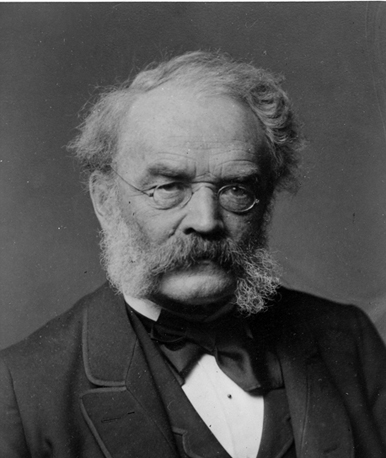
You've created 0 items. Sign up to keep your board forever.
Haporium is a revolutionary platform that lets you organize your web browsing experience with customizable dashboards and boards. Create, manage, and share your favorite content collections.